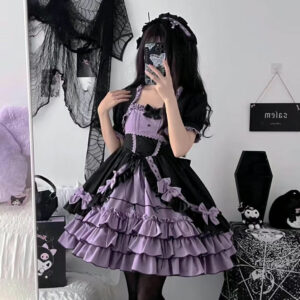
“Kawaii desu” (かわいいです) is polite Japanese for “it’s cute.” Kawaii is the adjective (cute, adorable, charming) and desu is a polite ending that softens the sentence without changing its meaning. You’ll hear it in shops, cafés and on the street in Japan, usually as kawaii desu ne (“cute, isn’t it?”) or, among friends, as a delighted chō kawaii! (“super cute!”). This guide explains what each version means, how to say it, how the word grew into a global fashion movement, and the one slip that turns a compliment into sympathy, told through a first visit to Harajuku.
Key Takeaways
- Kawaii desu means “it’s cute,” in a polite tone. Plain kawaii! is the casual form.
- Pronunciation: “kah-wah-ee-ee dess.” The u in desu is barely heard.
- Kawaii desu ne = “cute, isn’t it?” It’s the phrase shop staff and friends use most.
- Chō kawaii (super cute), yume kawaii (dreamy cute) and kimo kawaii (creepy cute) are popular variations in fashion.
- Don’t say kawaisou by mistake. It means “poor thing.”
Mia’s First Afternoon in Harajuku
Mia had saved for two years for her trip to Tokyo, and on her first afternoon she went straight to Takeshita Street in Harajuku: the narrow, crowded lane of pastel shops, crêpe stands and racks of clothes that has defined Japanese street fashion for decades.
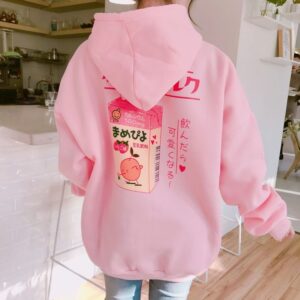
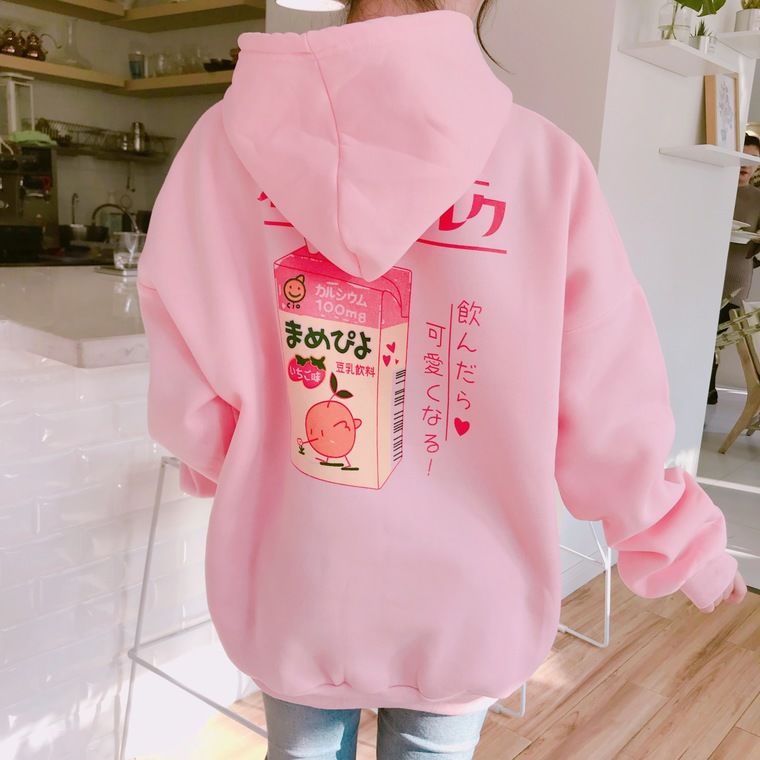
In a small boutique, she pulled a pink hoodie printed with a strawberry milk carton off the rail and held it up. The shop assistant smiled and said, “Kawaii desu ne!” A moment later her friend Hana, who had grown up in Tokyo, came round the corner, saw the hoodie and squealed: “Eh, chō kawaii!”
Same hoodie, two different phrases. One polite, one excited. Mia wanted to answer, and confidently said: “Kawaisou desu!” The assistant’s smile froze for a second. Hana grabbed Mia’s arm, laughing.
What went wrong? Let’s break the phrase down, and you’ll see why.
What Does Kawaii Mean?
Kawaii (かわいい, also written 可愛い) means cute, adorable, sweet or charming. It’s one of the most-used adjectives in Japanese and can describe almost anything: a kitten, a dessert, a hair clip, a font, a person’s smile or a whole outfit.
The word is older than you might think. It grew out of the classical word kawayushi, from kaohayushi (顔映ゆし), “a glowing face,” the blush of embarrassment or pity. Over time the feeling of pity softened into affection, and by the modern era kawaii meant “lovable” and “cute.” The kanji 可愛い (“able to be loved”) was attached to the word for its sound, so you’ll see かわいい in hiragana just as often.
What Does Desu Mean?
Desu (です) is the polite form of “to be.” After a noun it means “is” (pinku desu, “it’s pink”). After an i-adjective like kawaii, it simply adds politeness. That’s why the shop assistant, speaking to a customer, said kawaii desu ne, while Hana, speaking to her friend, dropped desu entirely.
Japanese has a few useful forms built on the same pattern:
- Kawaikatta desu (かわいかったです): it was cute.
- Kawaikunai desu (かわいくないです): it isn’t cute.
- Kawaii desu ka? (かわいいですか): is it cute? (Ask a friend before you buy.)
How to Pronounce Kawaii Desu Correctly
Japanese is spoken in even beats rather than stressed syllables. Kawaii has four: ka-wa-i-i, with the last two blending into a slightly long “ee.” Desu sounds like “dess,” because the final u almost disappears. Altogether: kah-wah-ee-ee dess. Avoid the English habit of “ka-WHY-ee.” Flat and light sounds more natural.
Kawaii Desu Ne, Chō Kawaii and Other Ways to Say Cute
| Phrase | Japanese | Meaning | Tone |
|---|---|---|---|
| Kawaii desu ne | かわいいですね | Cute, isn’t it? | Polite, friendly |
| Kawaii desu yo | かわいいですよ | It’s cute, I promise! | Polite, reassuring |
| Sugoku kawaii | すごくかわいい | Really cute | Casual |
| Chō kawaii | 超かわいい | Super cute! | Casual slang |
| Meccha kawaii | めっちゃかわいい | So, so cute! | Casual, from the Kansai region |
| Kawaisugiru | かわいすぎる | Too cute! | Casual, playful |
| Yume kawaii | ゆめかわいい | Dreamy cute | Fashion style |
| Kimo kawaii | キモかわいい | Creepy cute | Fashion and characters |
Hana’s chō (超) means “super” or “ultra,” and it’s everywhere in casual Japanese. Meccha is the same idea with a Kansai accent. In a shop, though, stick with kawaii desu ne. It’s warm, polite and always appropriate.
The Mistake: Kawaii vs. Kawaisou
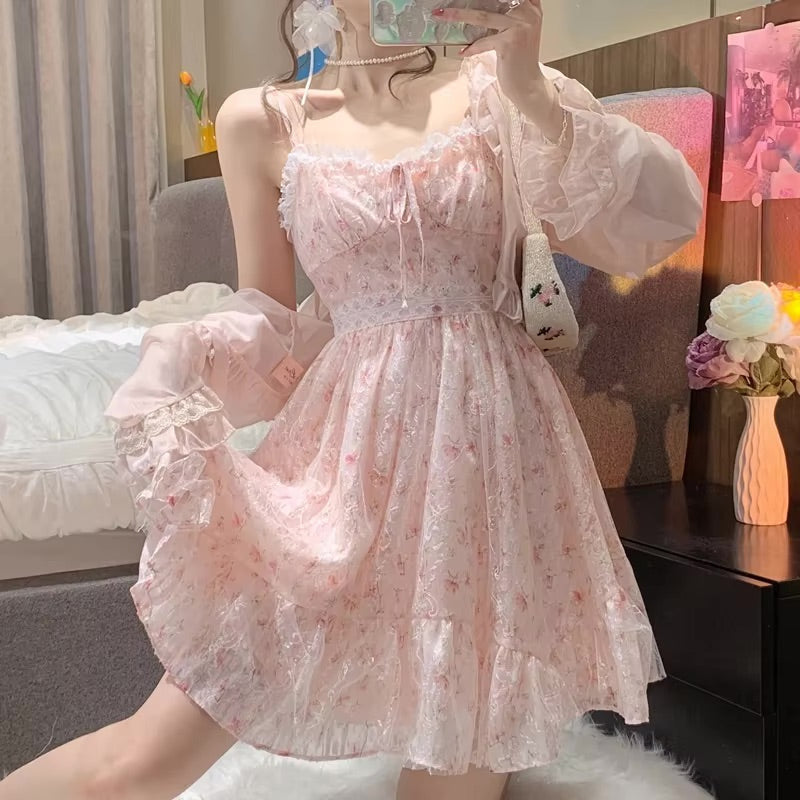
Back in the boutique, Mia had said kawaisou (かわいそう). It sounds almost the same, but it means “poor thing” or “how pitiful.” She had just told the assistant she felt sorry for the hoodie. (Fittingly, kawaisou keeps the old “pity” meaning that kawaii left behind.)
Two other words to keep straight:
- Kowai (怖い): scary. Only three beats, ko-wa-i.
- Kakkoii (かっこいい): cool, stylish. Perfect for a dark, sharp outfit that isn’t exactly “cute.”
From a Word to a Fashion Movement
Kawaii became a style in the 1970s, when Japanese teenagers started writing in rounded, bubbly handwriting decorated with hearts and stars. Character goods followed (Hello Kitty first appeared in 1974), and by the 1990s Harajuku’s streets had become a runway for bold, homemade looks, from pastel fairy kei to the darker pastel goth.
Today “kawaii” describes a whole wardrobe philosophy: playful prints, soft colours, rounded shapes and accessories that make you smile. Our kawaii fashion guide covers every substyle in detail.
Outfits That Earn a “Kawaii Desu Ne”
You don’t need a full Harajuku look to wear kawaii. Start with one piece that makes people smile, and keep the rest simple:
- Japanese Kawaii Strawberry Milk Box Hoodie ($32.99–$38.99): the hoodie from Mia’s story, in sizes S to XXL. Wear it with plain jeans.
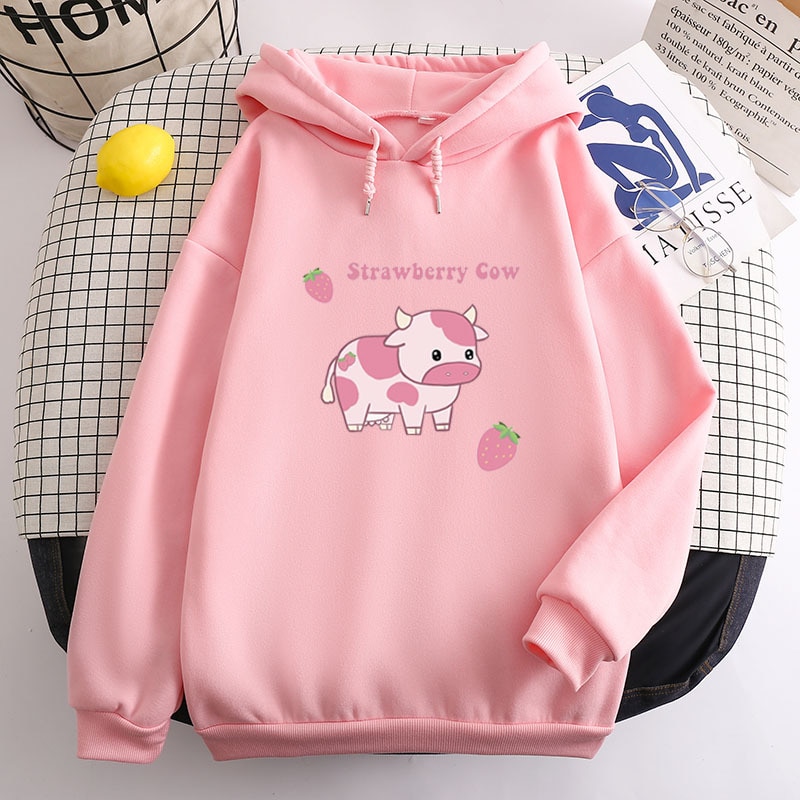
- Kawaii Strawberry Cow Women’s Oversized Hoodie ($40.99): seven colours from lavender to sky blue, sizes XS to 4XL.
- Kawaii Bunny Shirt ($18.99–$21.99): an embroidered bunny tee in black, pink or white, an easy everyday entry into kawaii.
- Kawaii Women Shiba Inu Slippers ($35.99–$40.99): cute at home counts too. See our kawaii slippers guide.
- Kawaii Cat Ears and Paw Glowing Headphones ($41.99): Bluetooth headphones with light-up cat ears, in pink or blue.
Want a companion for your outfit photos? The pocket-sized Super Kawaii Teddy Bear ($34.99) is, quite literally, chō kawaii: a “super kawaii” bear. Browse more kawaii hoodies, kawaii dresses or the whole kawaii clothing collection.
Using Kawaii Desu Politely When You Shop or Travel
- Complimenting an item: “Kore, kawaii desu ne” (これ、かわいいですね), “This is cute, isn’t it?”, starts a friendly chat with shop staff.
- Complimenting someone’s outfit: “Sono fuku, kawaii desu ne” (その服、かわいいですね), “Your outfit is cute.”
- Asking for an opinion: “Kawaii desu ka?” (Is it cute?) when trying something on with a friend.
- With friends: drop desu and go with “kawaii!” or “chō kawaii!”
- Not everything is cute: for a sleek or dark look, “kakkoii desu ne” (it’s cool) may be the better compliment.
Kawaii, Kirei or Suteki? Choosing the Right Compliment
Japanese has several words for “nice-looking,” and picking the right one makes your compliment land better:
- Kawaii (かわいい): cute, sweet, playful. Best for pastel prints, bows, animal motifs and anything that makes you smile.
- Kirei (きれい): beautiful, pretty, clean. Best for elegant dresses, flowing fabrics and a polished look. Kirei desu ne means “it’s beautiful.”
- Suteki (素敵): lovely, wonderful, stylish. A warm, slightly grown-up compliment that suits almost any outfit. Suteki desu ne means “how lovely.”
- Kakkoii (かっこいい): cool. For dark, sharp or edgy styles.
If in doubt, kawaii desu ne is always welcome in a kawaii shop. Save kirei for when someone looks truly elegant.
How Mia’s Day Ended
Once Hana explained the mix-up, Mia apologised, laughing, and tried again: “Kawaii desu ne!” The assistant laughed too and wrapped the hoodie in pink tissue paper with a strawberry sticker on top. Mia wore it the next morning to the crêpe stand on the corner, and the girl at the counter pointed at it and said the words she’d now hear all week: “Kawaii!”
Kawaii isn’t really about a particular colour or print. It’s the small, shared moment when someone looks at what you’re wearing and smiles. That’s what kawaii desu ne captures.
Frequently Asked Questions
What does kawaii desu mean?
Kawaii desu (かわいいです) means “it’s cute” in polite Japanese. Kawaii means cute, and desu is a polite ending that doesn’t change the meaning.
What is the difference between kawaii and kawaii desu?
They mean the same thing. “Kawaii!” is casual, for friends and family. “Kawaii desu” is polite, for strangers, shop staff and older people.
What does chō kawaii mean?
Chō kawaii (超かわいい) means “super cute.” It’s casual slang, very common among young people in Japan.
What does yume kawaii mean?
Yume kawaii (ゆめかわいい) means “dreamy cute,” a fashion style built on pastel colours, unicorns, clouds and fairy-tale motifs.
What is the difference between kawaii and kawaisou?
Kawaii means cute. Kawaisou (かわいそう) means “poor thing” or “pitiful.” They sound similar but mean very different things.
Is it rude to call someone kawaii?
Usually not. It’s a common compliment, especially for outfits and accessories. Some adults, particularly men, may prefer “kakkoii” (cool), so choose the word that fits the person and the style.