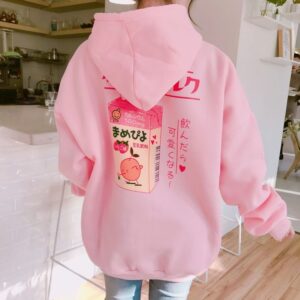
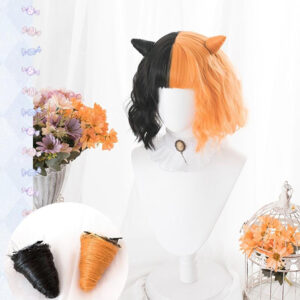
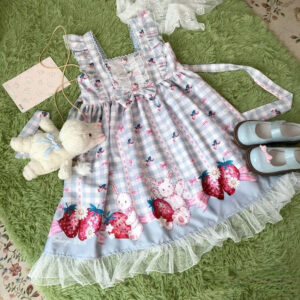
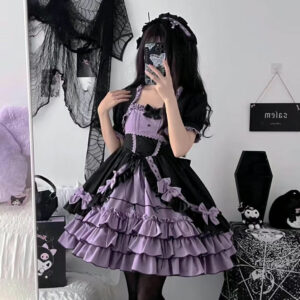
Most of the best-known kawaii fashion designers each gave the world a distinct style. Akinori Isobe of Baby, The Stars Shine Bright and the team behind Angelic Pretty defined sweet Lolita. Mana of Moi-même-Moitié named “Elegant Gothic Lolita.” Naoto Hirooka of h.NAOTO brought punk to kawaii. Sebastian Masuda of 6%DOKIDOKI made Harajuku neon and loud. Tavuchi of SPANK! sparked fairy kei, and LIZ LISA made romantic “princess casual” an everyday look. Below, we match each style to the designer behind it, explain its signature details, and show how to wear it with pieces from our store.
Key Takeaways
- Every kawaii substyle has a “founding” label, usually a small Tokyo boutique.
- Sweet and classic Lolita: Baby, The Stars Shine Bright and Angelic Pretty.
- Gothic: Moi-même-Moitié (elegant) and h.NAOTO (punk).
- Colourful: 6%DOKIDOKI (decora) and SPANK! (fairy kei).
- Everyday romantic: LIZ LISA’s himekaji.
- Kawaii sizing runs small, so always check the size chart before you buy.
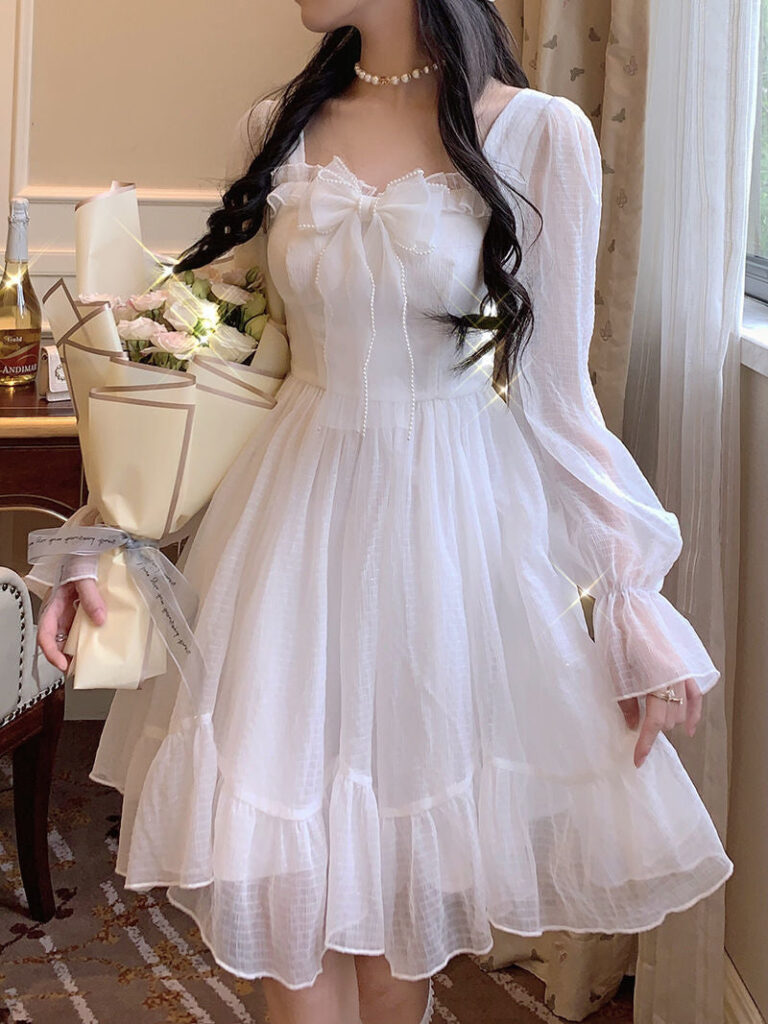
Kawaii Designers and Their Styles at a Glance
| Style | Designer / label | Signature details | Our pick |
|---|---|---|---|
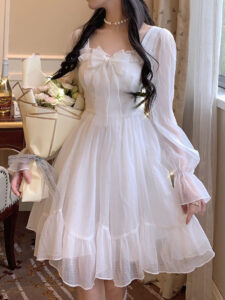
| Classic and sweet Lolita | Baby, The Stars Shine Bright | Frills, bows, bell skirts | White Lace Princess Dress |
| Pastel sweet Lolita | Angelic Pretty | Candy-coloured prints | Light Blue Fairy Princess Dress |
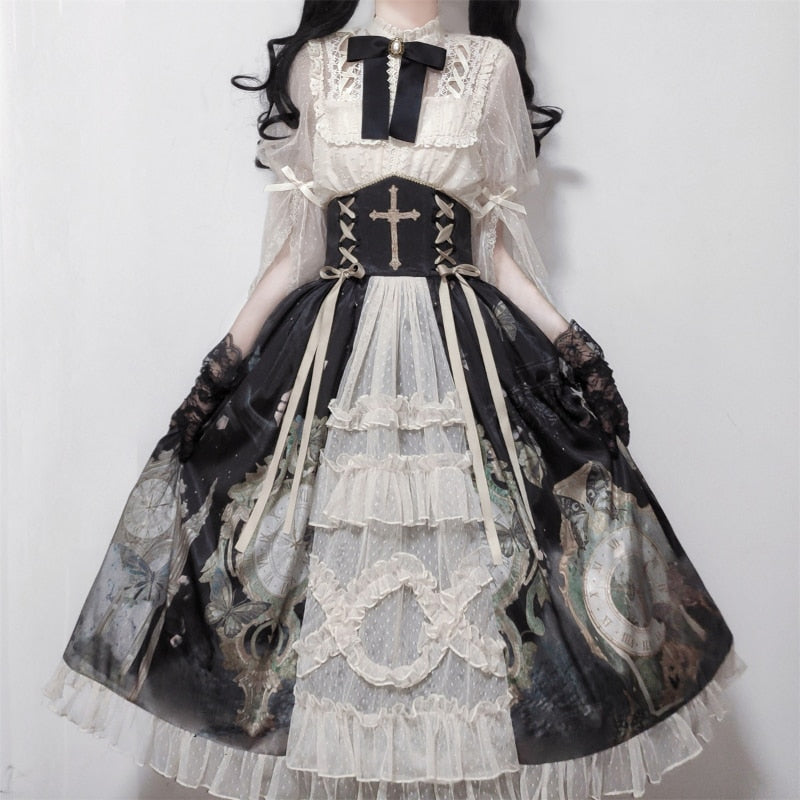
| Gothic Lolita | Moi-même-Moitié (Mana) | Black lace, Victorian lines | Dark Wonderland Dress Set |
| Gothic punk | h.NAOTO (Naoto Hirooka) | Buckles, tartan, dark graphics | Wednesday Dress |
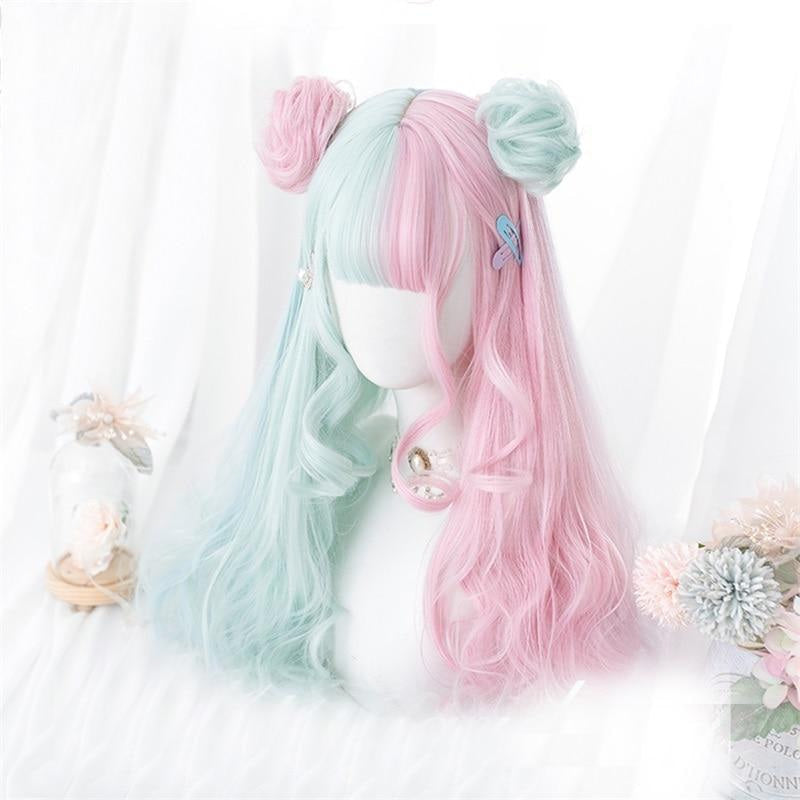
| Decora / pop | 6%DOKIDOKI (Sebastian Masuda) | Neon, layered accessories | Mint & Pink Bun Wig |
| Fairy kei | SPANK! (Tavuchi) | 1980s pastels, toy prints | Tie-Dye Fairy Ruffled Dress |
| Himekaji | LIZ LISA | Florals, lace, soft colours | Lady Rosebud Outfit Set |
Where It All Started: Harajuku and MILK
Before the substyles had names, there was Harajuku. The Tokyo neighbourhood became a stage for young people’s experimental outfits, and in 1970 designer Hitomi Okawa opened MILK there. Its girlish, slightly rebellious pieces are often credited as an early seed of Lolita fashion. Street-style magazines later documented the scene for readers worldwide.
Want a MILK-inspired piece? The Bakery Kitten Dress ($59.99, purple or red, one size with a 90 cm / 35.4 in bust) has the sweet collars and cuffs of early Harajuku style.
Sweet and Classic Lolita: Baby, The Stars Shine Bright and Angelic Pretty
Baby, The Stars Shine Bright was founded in 1988 by Akinori Isobe and his wife Fumiyo. Its storybook dresses became world-famous after the 2004 film Kamikaze Girls, whose Lolita heroine wears the label. Angelic Pretty, which began in 1979 as a shop called “Pretty,” is the name most fans associate with sweet Lolita: pastel skirts printed with cakes, candy and toys.
Signature details: a bell-shaped skirt (often over a petticoat), a fitted waist, lace trims, bows and coordinated headwear.
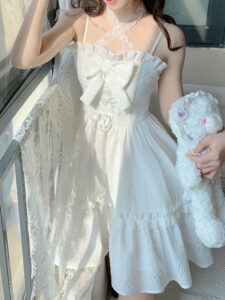
Wear it: the White Lace Princess Dress ($79.99) is a soft classic option, while the tulle Light Blue Fairy Princess Dress ($99.99) brings Angelic-Pretty-style pastels. Both run from S to XL. Explore more in kawaii dresses.
Gothic Lolita: Mana and Moi-même-Moitié
In 1999, Mana, guitarist of the visual kei band Malice Mizer, launched Moi-même-Moitié. The label coined the terms Elegant Gothic Lolita and Elegant Gothic Aristocrat: black and deep-coloured lace, crosses, velvet and a theatrical, Victorian-inspired grace.
Wear it: the Dark Wonderland Dress Set ($169.99, S to L) delivers the full gothic silhouette with black bows. For a lighter, school-inspired take, the Black Scholarly Dress Set ($69.99) pairs black and white. Our pastel goth fashion guide covers the softer, pastel side of dark kawaii.
Gothic Punk Kawaii: Naoto Hirooka and h.NAOTO
Designer Naoto Hirooka made h.NAOTO a home for darker, punk-influenced kawaii: tartans, straps, buckles and cute characters with a sharp edge. It proved that kawaii fashion didn’t have to be pastel to be playful, and it appealed to all genders.
Wear it: the puff-sleeved Wednesday Dress ($79.99) gives a dark, doll-like base. Add the Women Gothic Anime T Shirt ($59.99) for casual days.
Decora and Neon Pop: Sebastian Masuda and 6%DOKIDOKI
Artist Sebastian Masuda opened 6%DOKIDOKI in Harajuku in 1995. Doki doki is the sound of a pounding heart in Japanese, and the shop’s style is pure excitement: neon colours, plastic jewellery, piles of hair clips and toys. Masuda later art-directed Kyary Pamyu Pamyu’s “PONPONPON” video (2011), introducing this look to a global audience.
Wear it: start with hair. The Mint & Pink Bun Wig ($69.99–$89.99, with or without buns) is an instant statement. Add the Kawaii Cat Ears and Paw Glowing Headphones ($41.99) and a colourful oversized tee such as our Oversized Graphic Tees ($19.99–$20.99). Browse all kawaii wigs.
Fairy Kei: Tavuchi and SPANK!
The vintage shop SPANK!, run by designer Tavuchi and first opened in Tokyo’s Koenji area, is widely credited with sparking fairy kei: a pastel style inspired by 1980s American cartoons, toys and sweets. It’s softer than decora but just as playful. Read our full guide to what fairy kei is.
Wear it: the Tie-Dye Fairy Ruffled Dress ($99.99, S to L) or a printed tee like the Kawaii Cookie Print Tshirt ($39.99). Find more in fairy kei.
Himekaji: LIZ LISA’s Princess Casual
LIZ LISA is best known for himekaji, or “princess casual”: florals, lace, ruffles and soft pinks in outfits you can actually wear to class or the office. It’s the easiest kawaii style to start with.
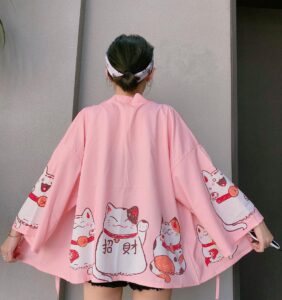
Wear it: the Lady Rosebud Outfit Set ($37.99–$79.99, XS to XL) can be bought as the dress, the cardigan, or both. Top it with the one-size Kawaii Cat Japanese Women Kimono ($38.99) on cooler days.
Shopping Tips: Get Designer-Inspired Kawaii Looks
- Measure first. Many kawaii dresses are cut small. Our kawaii clothing size guide shows how to read the charts.
- Build around one hero piece (a dress set, a wig or a statement top) and keep the rest simple.
- Match the accessories to the style: bows for Lolita, crosses and lace for gothic, clips and toys for decora, pastels for fairy kei.
- Mix substyles once you’re confident. Pastel goth is literally gothic plus fairy kei.
For the full picture of every substyle, see our kawaii fashion guide and kawaii clothing guide.
Note: Kawaii Merchandise is not affiliated with any of the designers or brands named here. Our collection is inspired by the styles they made famous.
Frequently Asked Questions
Who are the most famous kawaii fashion designers?
Akinori Isobe (Baby, The Stars Shine Bright), Mana (Moi-même-Moitié), Naoto Hirooka (h.NAOTO), Sebastian Masuda (6%DOKIDOKI) and Hitomi Okawa (MILK) are among the most influential.
Which designer created gothic Lolita?
Mana’s label Moi-même-Moitié, launched in 1999, coined “Elegant Gothic Lolita” and shaped the gothic side of Lolita fashion.
What is the difference between decora and fairy kei?
Decora is bright and neon, covered in layered accessories, and is associated with 6%DOKIDOKI. Fairy kei uses soft pastels and 1980s toy-inspired prints, and is associated with SPANK!.
What is himekaji?
Himekaji means “princess casual”: a soft, romantic everyday style with florals, lace and ruffles, popularised by LIZ LISA.
Do I need designer pieces to dress kawaii?
No. Fans mix brand items with affordable dresses, tops, wigs and accessories. One hero piece is enough to start.
Start Your Kawaii Style Story
Each of these designers proved that cute can be sweet, dark, loud or dreamy, and that’s the magic of kawaii fashion. Pick the style that speaks to you, find your hero piece in our kawaii clothing collection, and make it your own.