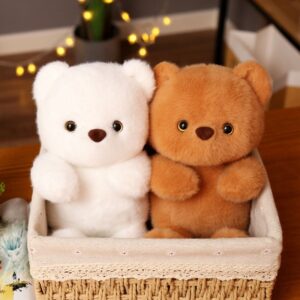
Why do 12-year-olds love plushies? Because at 12, plushies are comfort, style and culture rolled into one. Tweens use soft toys to unwind after school, to decorate rooms that finally feel like their own, to clip onto bags as fashion accessories and to show love for anime characters, cute animals and kawaii design. A plushie lets a 12-year-old enjoy something soft and joyful while still feeling stylish, which is why plushies are so popular at the exact age when kids start building their own identity.
Walk into almost any tween’s bedroom and you will probably spot at least one plushie: a frog on the pillow, a cloud on the desk chair, a hamster in a tiny hat on the shelf. Look at their school bag and there may be a plush charm hanging from the zip. Scroll through the videos they watch and you will see plush hauls, plush room tours and plush photo shoots. For many 12-year-olds, plushies are not leftovers from early childhood. They are part of a cute, colourful lifestyle that they have chosen for themselves.
This guide looks at the love of plushies through a kawaii lens. We will explain what kawaii culture is and why tweens connect with it so strongly, what science says about cute things, how plushies have become fashion and room decor, why Japanese characters are so popular, how friendships and collecting fit in, and how parents can support a plush-loving 12-year-old. You will also find styling ideas, gift suggestions from our shop and a detailed FAQ.
Who This Guide Is For
This article is written for two groups of readers. The first is parents, grandparents and carers who want to understand why a 12-year-old in their life is so devoted to plushies, and whether it is something to encourage. The second is tweens themselves, and older kids who love kawaii, who might want to understand their own interests a little better or explain them to the adults around them. You do not need to know anything about Japanese culture or anime to follow along. We will explain every term as we go, and you will find a glossary near the end. Wherever we mention research, we name the researchers and the year so you can look it up, and we are honest about what the evidence does and does not show. Product examples come from our own catalogue so you can see what each style looks like, but the ideas apply to any plushie your family already owns and loves.
Key Takeaways
- Kawaii is a style, not just a toy category. Plushies fit into a wider world of cute fashion, stationery and room decor that tweens love.
- Twelve is a turning point. Tweens want independence and self-expression, and kawaii plushies offer both.
- Cute is good for you. Research suggests that looking at cute things can lift mood and even sharpen focus on careful tasks.
- Plushies are accessories now. Bag charms, plush keychains and character pieces make plushies part of an outfit.
- Characters build community. Anime and character plushies help tweens find friends who share their interests.
- Comfort still matters. Behind the style, a soft plushie is a calming companion during a busy, changing year.

Why Do 12-Year-Olds Love Plushies? Seven Reasons at a Glance
Here is a quick overview before we dig into each reason in detail:
- They match the kawaii aesthetic. Plushies are the softest, most huggable expression of a cute style many tweens adore.
- They are a form of self-expression. Which plushie you choose, and how you display or wear it, says something about you.
- They work as fashion. Plush bag charms, character accessories and plush-themed clothing are a big part of tween style.
- They connect to favourite characters. Anime, manga, games and character brands give plushies stories and personalities.
- They bring friends together. Matching plushies, swaps and gifts are easy ways to show friendship.
- They are fun to collect. Series, minis and themed sets turn plushies into a creative hobby.
- They are calming. A soft plushie is a soothing companion during homework, stress and bedtime.
Before we look at these reasons one by one, it helps to understand two things: what makes age 12 special, and what “kawaii” really means.
Why Twelve Is the Perfect Age for Kawaii
Twelve is a fascinating age. It is the bridge between childhood and the teenage years, and many of the things that make kawaii culture appealing line up perfectly with what 12-year-olds are going through.
Wanting to grow up, but not too fast
Many 12-year-olds feel pulled in two directions. On one hand, they want more independence, more privacy and more say over their clothes, room and free time. On the other hand, they are still close enough to childhood to enjoy toys, cartoons and playful things. Kawaii culture sits exactly in that middle ground. It is cute and playful, but it is also a recognised style with its own fashion, design and fan communities. A tween can enjoy a frog plushie and a pastel hoodie without feeling “babyish”, because kawaii is something teenagers and adults enjoy too.
The start of a personal style
Around 12, many children start caring a lot more about how they look and how their space looks. They might ask for specific clothes, change their hairstyle, redecorate their room or develop a strong opinion about which phone case is acceptable. This is the very beginning of a personal style. Kawaii offers a clear, joyful style language that tweens can borrow from: pastel colours, character prints, soft textures and cute accessories. Plushies are often the first piece of that look.
Changes on the inside and outside
Most children begin puberty at some point between about 8 and 14, and many 12-year-olds are in the middle of it. Growth spurts, new emotions and a changing body can make this a sensitive time. At the same time, many tweens are starting middle school or secondary school, with new teachers, new classmates and more homework. With so much changing, it is natural to seek out things that feel soft, safe and happy. Kawaii plushies offer exactly that, wrapped in a style that feels age-appropriate.
A growing world outside the home
At 12, many children are discovering anime, manga, games and online culture in a bigger way, often through friends, older siblings or video platforms. Japanese pop culture is a huge part of that world, and kawaii is one of its most recognisable exports. A tween who discovers a new anime series or character often wants a plushie to go with it, a physical way to show that they belong to that fan community.
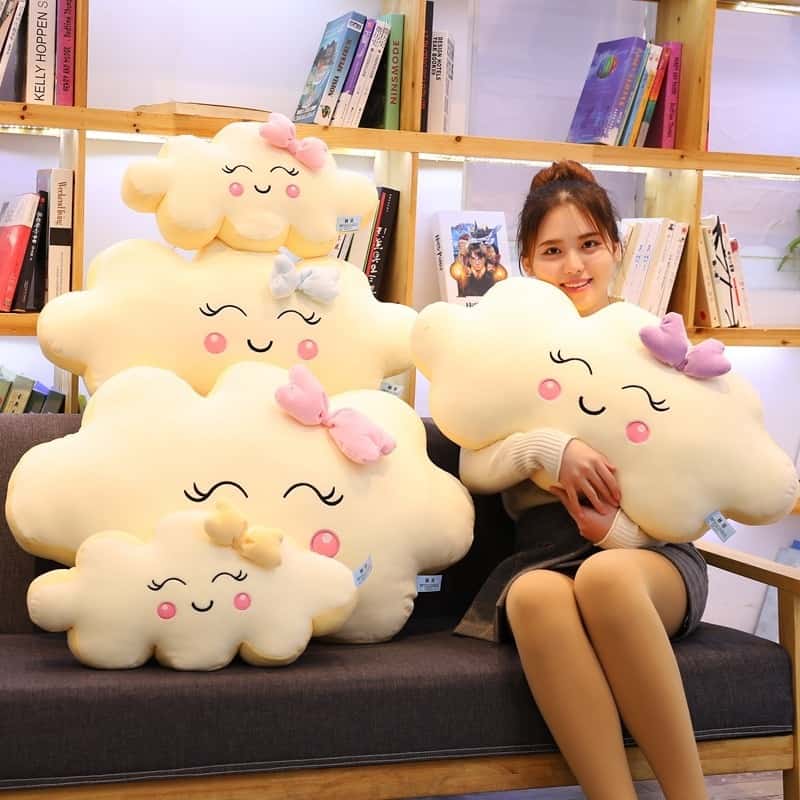
What Does Kawaii Mean? A Short Guide for Parents and Tweens
Kawaii (可愛い) is the Japanese word for “cute”, but it means much more than that. In Japan, kawaii describes a whole aesthetic and cultural movement that shows up in fashion, design, advertising, food, stationery and, of course, plush toys. Understanding where kawaii came from helps explain why it resonates so strongly with tweens around the world.
Where the word comes from
The modern word kawaii is generally traced back to an older Japanese expression, kaohayushi, which described a flushed or blushing face. Over centuries, its meaning shifted from “embarrassed” or “pitiable” towards “lovable” and “cute”. Today, kawaii can describe a puppy, a pastel cupcake, a tiny keychain, an elderly person’s sweet smile or a fashion outfit. It suggests something charming, innocent and endearing.
The 1970s: cute handwriting and fancy goods
Many historians of Japanese culture point to the 1970s as the moment kawaii became a youth movement. Researcher Sharon Kinsella, in her influential 1995 essay “Cuties in Japan”, described how Japanese teenage girls began writing in a rounded, childlike handwriting style, often decorated with hearts, stars and little faces. Schools sometimes tried to ban it, but it spread anyway, and it was soon picked up by magazines and companies.
At the same time, Japanese companies began producing “fancy goods”: small, cute, affordable items such as pencil cases, notebooks, erasers and purses decorated with characters. Sanrio introduced Hello Kitty in 1974, and the first Hello Kitty product, a small vinyl coin purse, went on sale in 1975. Hello Kitty’s simple round face, small body and lack of a mouth became one of the most famous examples of kawaii design in the world.
Kawaii goes global
From the 1980s onwards, kawaii spread through anime, video games, toys and fashion. Tokyo’s Harajuku district became famous for colourful street styles such as decora and fairy kei, and designers like Sebastian Masuda, who founded the shop 6%DOKIDOKI in 1995, helped make bright, playful kawaii fashion internationally known. In 2009, Japan’s Ministry of Foreign Affairs even appointed three “Kawaii Ambassadors” to promote Japanese pop culture abroad. Today, kawaii is a global aesthetic, and many tweens discover it through anime, games and online videos long before they ever visit Japan.
If you would like to go deeper, our article on what kawaii desu means explores the language side, and our history of plush toys traces how Japanese character plushies became so popular.
The key ingredients of kawaii design
Most kawaii plushies share a recognisable set of features:
- Round, soft shapes with no sharp edges.
- Big heads and small bodies, like a baby or young animal.
- Simple faces, often just two dots for eyes, a tiny mouth and pink cheeks.
- Pastel colours such as baby pink, mint, lavender, cream and sky blue.
- Playful themes, from animals and food to clouds, plants and everyday objects.
- Cute accessories such as tiny hats, scarves, bags and bows.
These features are not random. As we will see next, they tap into something deep in how humans respond to the world.

The Science of Cute: Why Kawaii Plushies Feel So Good
Why does a round, big-eyed plushie make a 12-year-old (or their parent) smile? Scientists have been studying cuteness for decades, and the answers help explain why kawaii plushies are so irresistible.
The baby schema
Back in 1943, the zoologist Konrad Lorenz suggested that certain features, which he called the Kindchenschema or baby schema, automatically trigger warm, caring feelings in people. These features include a large head, a round face, large eyes, a small nose and mouth, chubby cheeks and a soft, rounded body. Human babies have them, puppies and kittens have them, and so do almost all kawaii plushies. Designers deliberately exaggerate these traits because they make a character instantly lovable.
This is why a kawaii tiger, frog or fox can look adorable even though the real animal might not. When the eyes get bigger, the body gets rounder and the cheeks turn pink, the brain reads “cute” and responds with a little rush of affection.
The power of kawaii
One of the most interesting pieces of research on cuteness came from Japan itself. In 2012, a team led by Hiroshi Nittono at Hiroshima University published a study called “The Power of Kawaii” in the journal PLOS ONE. Participants looked at photos of baby animals, adult animals or pleasant foods, then completed tasks that required care and concentration, such as a fine-motor game similar to the board game Operation. People who had looked at the cute baby animal photos performed more carefully afterwards and showed a narrower, more focused attention.
The researchers suggested that cute things do more than make us feel warm and fuzzy. They may also encourage a gentle, careful, attentive state of mind. That is a nice thought for any tween who keeps a cute plushie on their desk during homework.
Cuteness as a mood lift
Beyond the lab, most people know from experience that cute things are cheering. A smiling plush cloud or a sheep with rosy cheeks gives a small, reliable moment of happiness. For a 12-year-old juggling homework, friendships and changing feelings, these small moments add up. A room full of cute things can feel like a calm, friendly space to come home to.
Comfort in a Busy, Changing Year
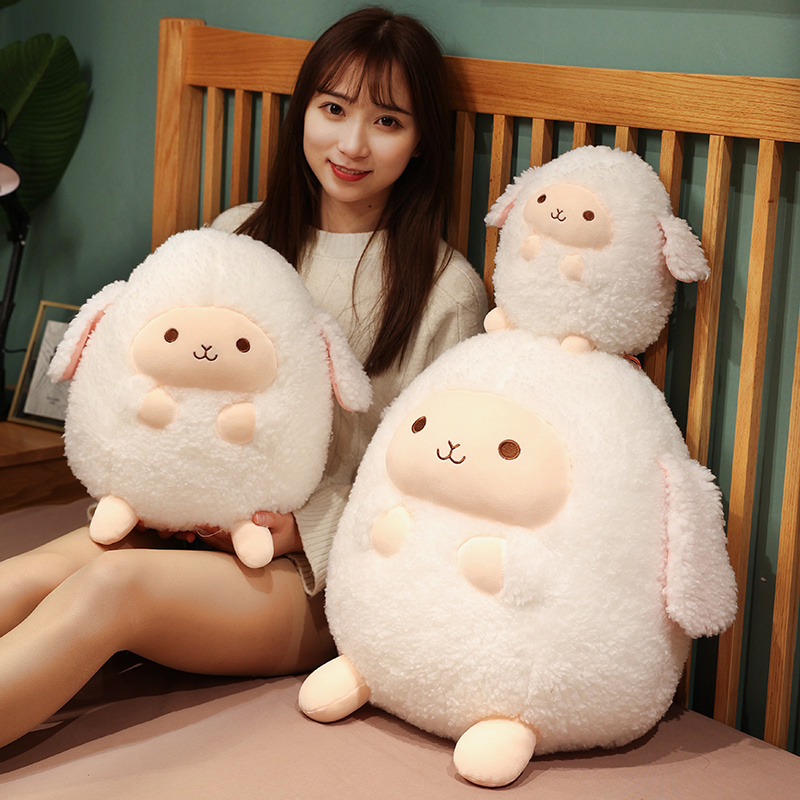
Behind all the style, there is a very simple reason so many 12-year-olds love plushies: they are comforting. A soft toy is calming to hold, familiar and always there. That matters a lot during a year of big transitions.
Soft things soothe
People of all ages find soft textures calming. Stroking a fluffy plushie, squeezing a squishy one or simply leaning against a giant one can help the body relax. Researchers have explored this in different ways. In one 2011 study published in Social Psychological and Personality Science, adults who had been made to feel left out and then touched a teddy bear were more willing to help others than those who did not touch one. Studies like this were done with grown-ups in a lab, but they point in the same direction as everyday experience: soft touch can make difficult feelings a little easier.
Decompressing after school
A typical 12-year-old’s day can be long and full of pressure: lessons, tests, group projects, social dynamics, after-school clubs and homework. Many tweens come home needing to switch off. Lying on the bed with a favourite plushie, music in their ears, is a common and healthy way to decompress. It is quiet, private and does not require a screen.
Bedtime and sleep
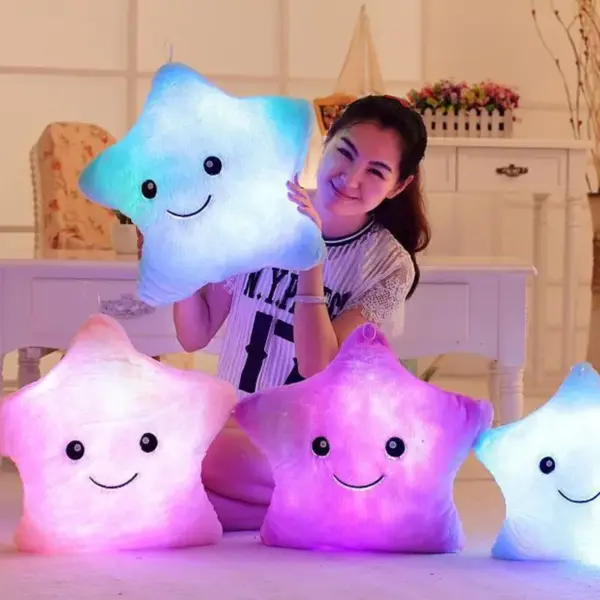
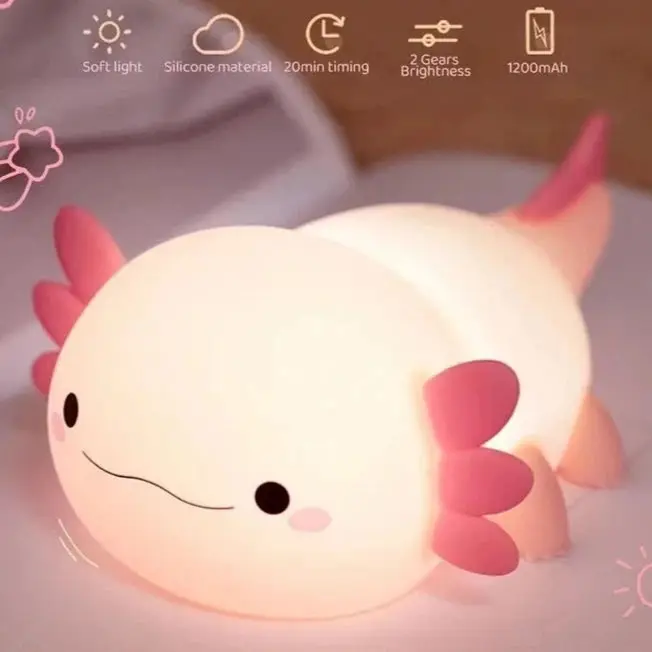
Twelve-year-olds still need plenty of sleep, with sleep medicine experts recommending 9 to 12 hours a night for children aged 6 to 12. A plushie in bed can make the night feel cosier and less lonely, and it becomes a familiar part of a wind-down routine. Kawaii night lights and glowing plushies have also become popular with tweens who want a gentle glow at night without a “nursery” look.
If your child is drawn to plushies for comfort, our page on weighted stuffed animals explains how deep-pressure plushies work, and our weighted plush collection has options for tweens who like a heavier cuddle.
Plushies as Fashion: Bag Charms, Keychains and Character Style
One of the biggest changes in recent years is that plushies have moved out of the bedroom and onto outfits. For many 12-year-olds, a plushie is not only something to hug. It is something to wear.
The plush bag charm trend
Small plush charms clipped to backpacks, handbags and pencil cases have become a major fashion trend among tweens, teens and adults. A bag charm is an easy way to show personality, especially at schools with uniforms or dress codes. Some tweens choose one statement charm; others layer several minis for a “cluttered cute” look. Swapping charms with the seasons, or matching them to a favourite hoodie, is part of the fun.
Ita bags and showing your favourites
In Japan, fans sometimes create ita bags: bags covered with pins, badges and small plushies of a favourite character. The name comes from itai, meaning “painful”, a playful nod to how over-the-top the bags can look. Many tweens love a lighter version of this idea: a clear-panel backpack, a tote or a pencil case decorated with a few plush charms and pins of their favourite characters. It is a fun, creative way to show what they love.
Plushie-inspired clothing
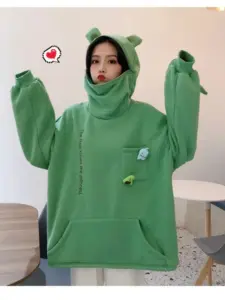
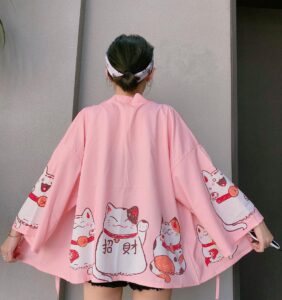
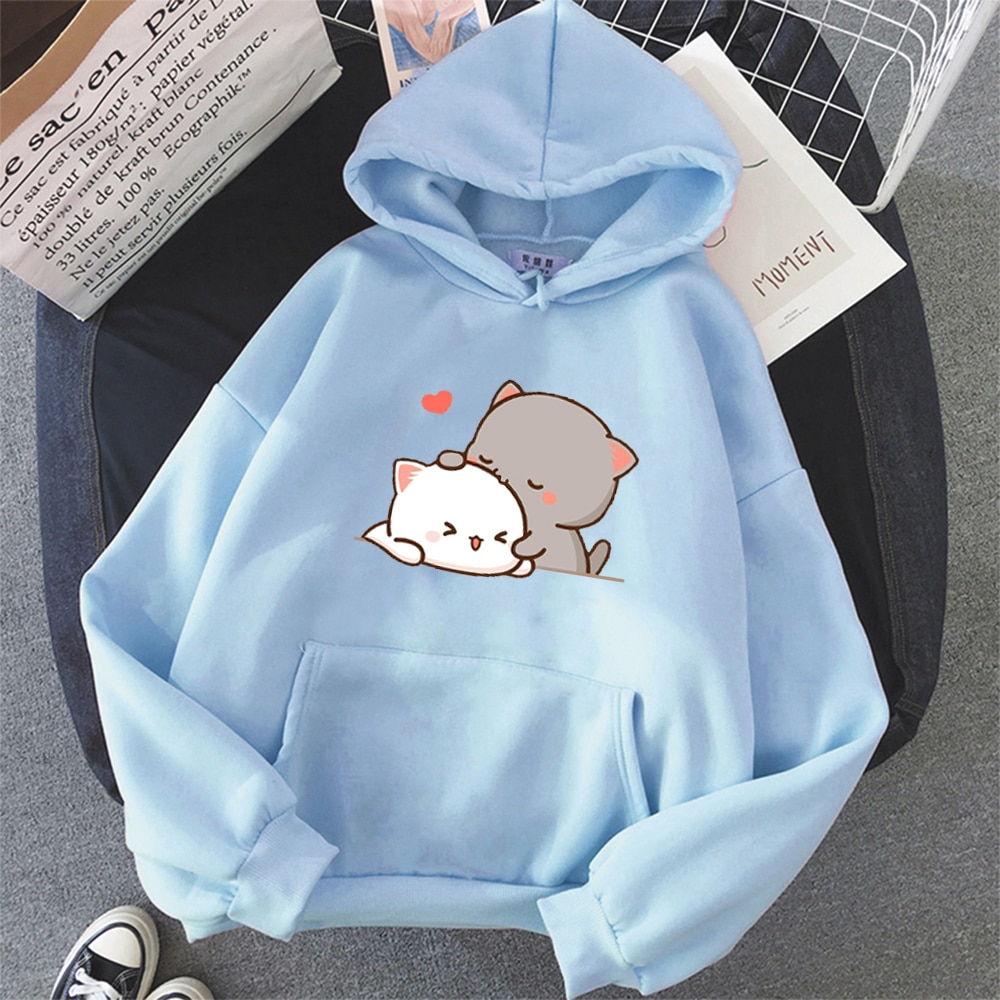
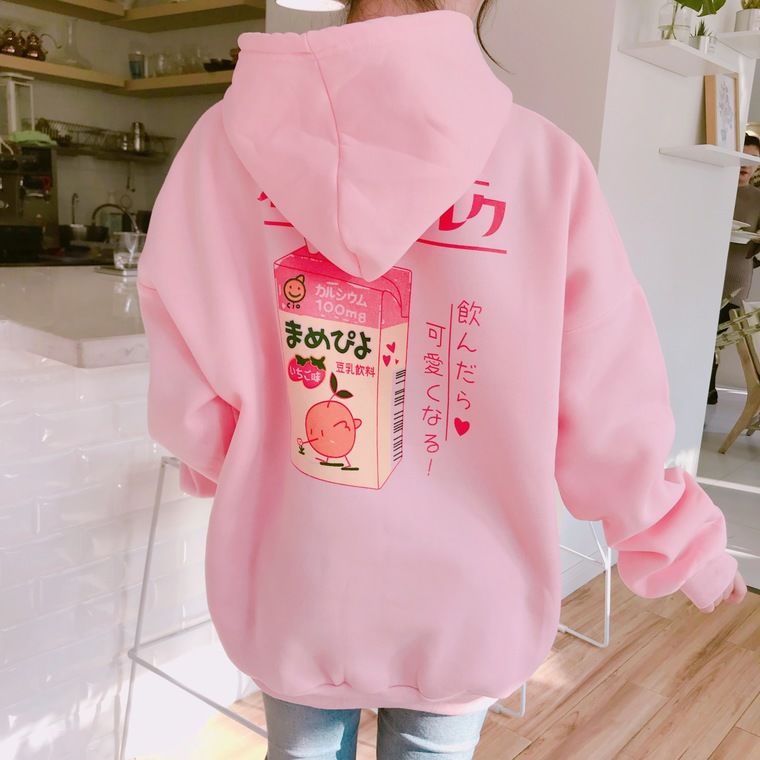
The kawaii love of soft, cute characters extends to clothing too. Hoodies with animal ears, sweatshirts with character prints, plush slippers and headphones with cat ears all borrow from the same playful design language as plushies. A tween who loves their cat plushie might also love a hoodie with a cute cat print. Our guide to kawaii fashion covers the main styles, and our kawaii hoodies collection is a good starting point.
Coordinating plushies and outfits
Some tweens enjoy coordinating their plushies with their clothes, especially for photos. A strawberry-print outfit paired with a strawberry plushie, or a mint hoodie with a frog charm, creates a cute, intentional look. This kind of styling is great creative practice: it teaches colour matching, theme building and visual storytelling, all skills that fashion designers and photographers use.
Accessories that feel like plushies
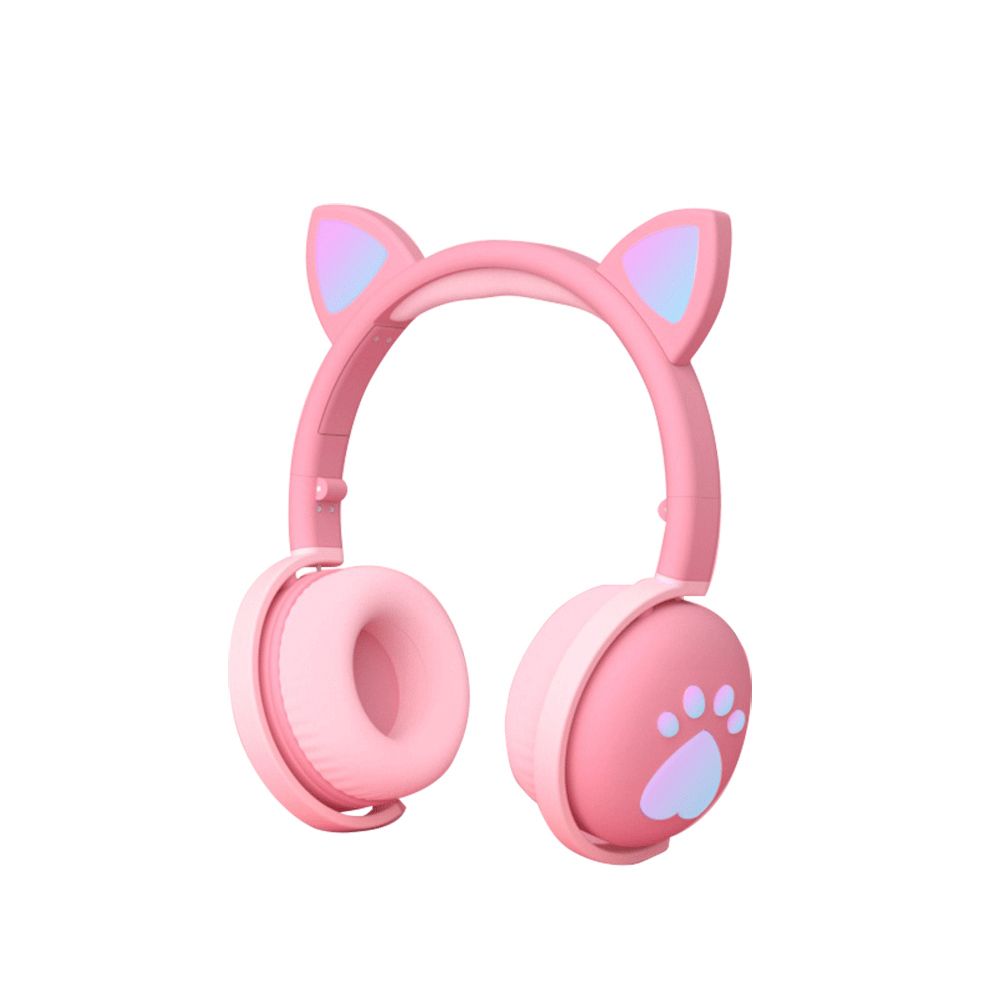
Plush-adjacent accessories are also hugely popular with this age group. Cat-ear headphones, animal slippers, plush pencil cases and fluffy backpacks give the same cosy, cute feeling in a more practical form. They are especially popular as gifts for tweens who might feel a full-size plushie is too much for school.
The Kawaii Bedroom: Plushies as Room Decor
For most 12-year-olds, their bedroom is becoming their own little world. It is where they relax, study, game, video chat with friends and simply be themselves. Plushies are one of the easiest ways to make that space feel personal.
Why tweens redecorate
Around this age, many children start to feel that their room looks “too young”. The cartoon wallpaper or nursery-style decor that suited them at 7 no longer matches who they are. Redecorating, even in small ways, is a way of announcing a new identity. Plushies are perfect for this because they are affordable, easy to move around and come in endless styles.
Building a kawaii room
A kawaii room usually combines a soft colour palette with cute decor and plenty of cosy textures. Some popular elements include:
- Pastel bedding in pink, mint, lavender or cream.
- A plushie lineup on the bed or a display shelf.
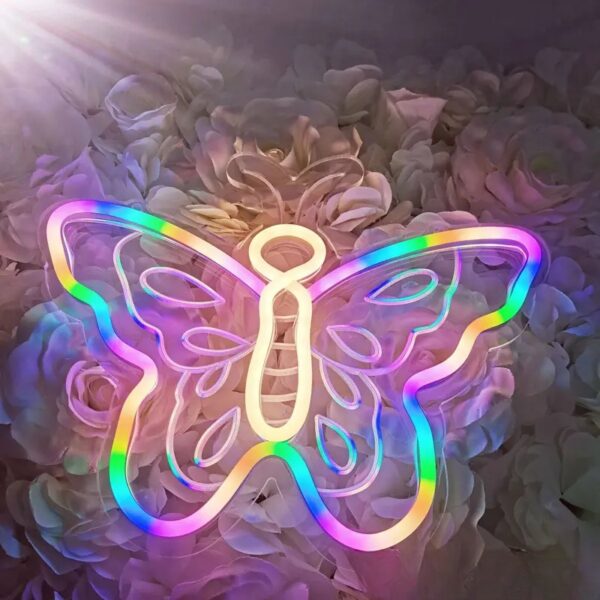
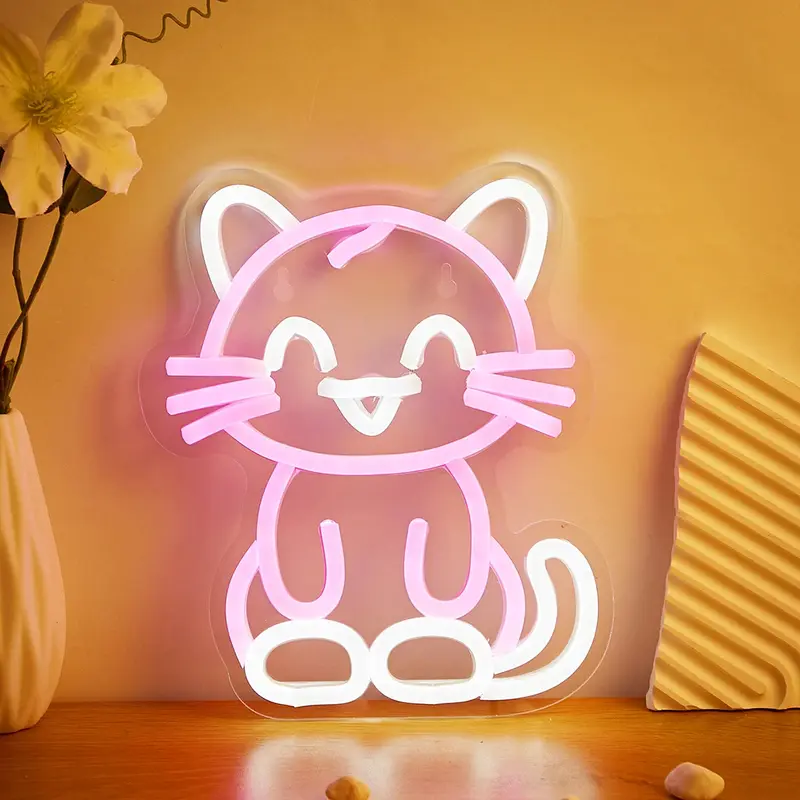
- Soft lighting from fairy lights, neon signs or silicone night lights.
- Cute desk accessories such as character pen holders and notebooks.
- Fluffy rugs and cushions for a cosy floor space.
- Wall decor such as posters, photos and prints of favourite characters.
Our kawaii room guide walks through the whole look, and our cute lamps collection includes many tween-friendly lighting options.
Plushie display ideas
There is a difference between a pile of toys and a curated plushie display. Tweens often enjoy turning their collection into a feature of the room:
- Arrange plushies by colour for a rainbow shelf.
- Group them by theme, such as food plushies, animals or characters from one series.
- Use a single giant plushie as the centrepiece of a reading nook.
- Rotate a few “featured” plushies each month to keep the room fresh.
- Store the rest in cute baskets or boxes to keep the space tidy.
Displaying plushies thoughtfully can also help with the eternal tween-room problem: clutter. When every plushie has a home, tidying becomes much easier.
Character Culture: Anime, Manga and Japanese Plush Icons
For many 12-year-olds, plushies are tied to characters they love. Anime, manga, games and character brands give plushies a story, a personality and a fan community. This is one of the biggest reasons tweens fall in love with specific plushies.
Why characters matter to tweens
Twelve is often the age when children move from children’s cartoons towards anime, manga and games aimed at older kids and teens. These stories frequently deal with friendship, belonging, courage and growing up, themes that resonate strongly at this age. A plushie of a favourite character becomes a physical reminder of a story that means something. It also signals to others, “I like this too”, which can spark new friendships.
Iconic Japanese plush characters
Some characters have become plush icons across generations. Here are a few that 12-year-olds often know and love:
| Character | Origin | Why tweens love it |
|---|---|---|
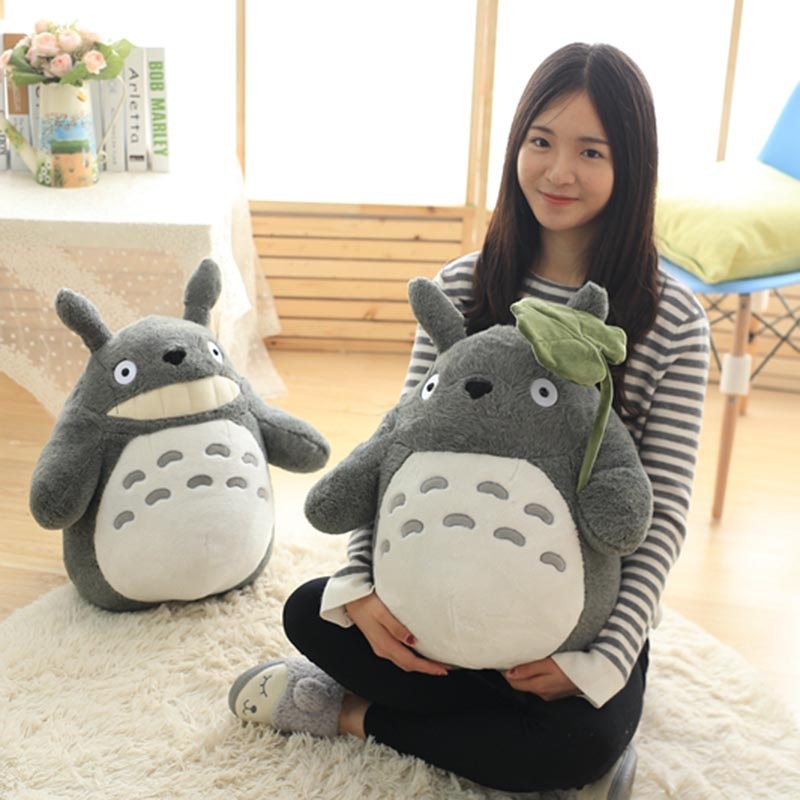
| Totoro | Studio Ghibli’s My Neighbor Totoro (1988), directed by Hayao Miyazaki | A gentle, giant forest spirit that feels magical, cosy and protective |
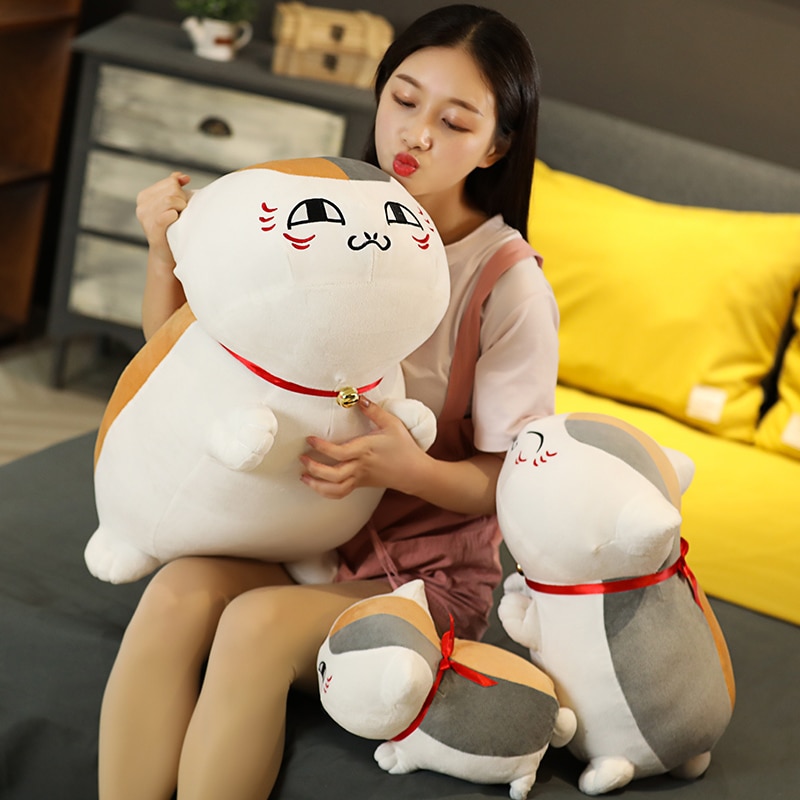
| Nyanko Sensei | Natsume’s Book of Friends, a manga by Yuki Midorikawa adapted into anime from 2008 | A grumpy, funny cat-like spirit with a big personality |
| Sumikko Gurashi | San-X character series launched in 2012 | Shy little characters who love corners, relatable for anyone who feels a bit awkward |
| Chiikawa | Illustrator Nagano’s comic series, started online in 2020 | Tiny, soft characters facing big feelings, both cute and emotionally honest |
| Hello Kitty | Sanrio, 1974 | A classic kawaii icon that many parents grew up with too |
Many of these characters share a theme that speaks directly to tweens: small, gentle beings navigating a big, sometimes confusing world. That is a feeling many 12-year-olds know well.
Fan culture and “oshi”
In Japanese fan culture, the word oshi describes your favourite member of a group or your favourite character, the one you support most. Oshikatsu means actively supporting your oshi, for example by collecting merchandise, displaying it or making fan art. Many tweens around the world now use these ideas, even if they do not use the words. A plushie of a favourite character is often the centrepiece of a fan’s collection, and displaying it proudly is a way of celebrating what they love.
Original kawaii characters
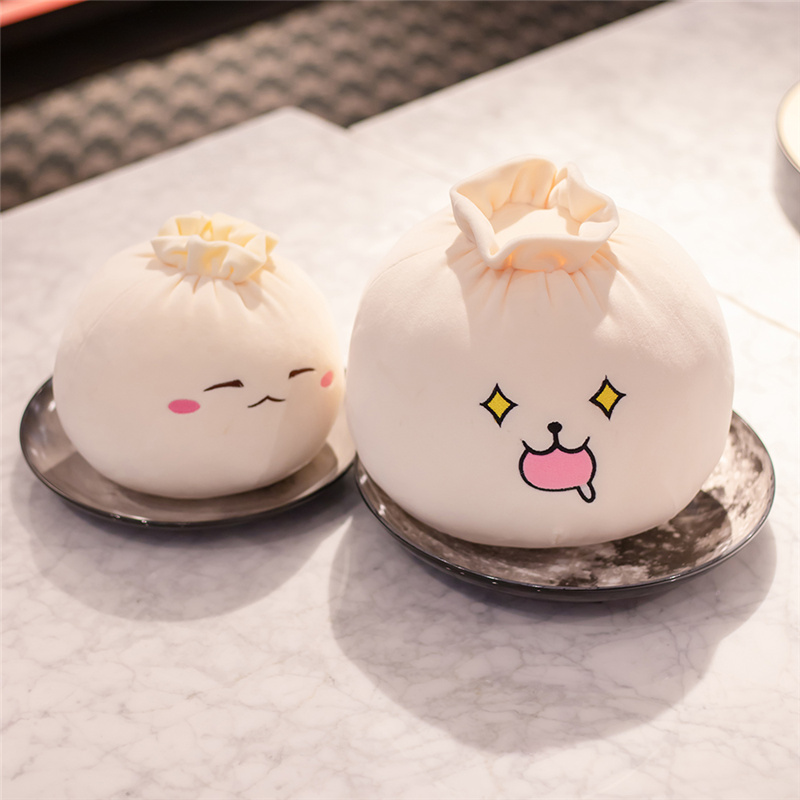
Not every popular plushie comes from a famous series. Many tweens love original kawaii designs: a panda dressed as a frog, a hamster in a sunhat, a bao bun with a cheeky face, a milk carton with a cow print. These plushies let children enjoy the kawaii style without needing to know a particular show, and they often become characters in their own right as tweens give them names and personalities.

If your tween is building a character collection, our collectible plushies range, our Sumikko Gurashi plush section and our Chiikawa plush section are great places to explore. Our kawaii stuffed animals guide also introduces many popular characters.
Friendship, Gifting and Plushie Swaps
Friendships become incredibly important around age 12. Tweens spend more time with friends, care more about what friends think and put a lot of energy into belonging. Plushies play a lovely role in tween friendships.
Matching plushies
Best friends often choose matching plushies or matching plush charms: the same character in two colours, two animals from the same series, or a pair that “goes together”, such as a strawberry and a milk carton. Carrying matching charms on school bags is a modern version of the friendship bracelet, a visible sign of a bond. Our matching plushies collection has lots of pairs and sets designed for exactly this.

Gift-giving culture
Japanese culture has a strong tradition of small, thoughtful gifts, such as omiyage, the souvenirs people bring back for friends and colleagues after a trip. Kawaii goods are a natural fit for this kind of gift-giving because they are small, affordable and charming. Tweens everywhere seem to understand this instinctively: a small plushie or plush charm is one of the most common gifts exchanged between friends at this age, for birthdays, holidays or simply to cheer someone up.
Swaps and trades
Some friend groups enjoy swapping plushies or charms, especially duplicates from mini sets or surprise packs. Swapping teaches negotiation, fairness and generosity. It also keeps collections fresh without spending more money. If your tween loves swapping, it is worth having a quick chat about trading fairly and only swapping items they are happy to part with.
Plushies at sleepovers and hangouts
Plushies are frequent guests at sleepovers, movie nights and hangouts. Friends compare collections, take group photos with their plushies and use giant plushies as pillows. For tweens who feel nervous about sleeping away from home, a familiar plushie in the overnight bag is an easy source of comfort.
Collecting Kawaii Plushies: A Creative Hobby
Many 12-year-olds are natural collectors. The urge to gather, organise, complete and display is strong at this age, and kawaii plushies are a perfect collectable: varied, beautiful and available at many price points.
Why collecting is so satisfying
Collecting gives tweens a sense of mastery and a clear goal. Knowing every character in a series, tracking down a rare colour or completing a themed shelf brings a real feeling of achievement. Collecting also gives children something to share with friends and something that reflects their taste.
Popular collecting themes
- One animal, many styles: every frog, every capybara or every cat plushie they can find.
- Food plushies: sushi, bao buns, milk cartons, desserts and fruit, often displayed like a cute café.
- Character series: every member of a cast from a favourite anime or character brand.
- Colour themes: an all-pastel shelf, a mint-and-pink collection or a rainbow arrangement.
- Mini plushies: small plushies and charms that fit in a display box or on a bag.
Collecting mindfully
Collecting can be a wonderful hobby, but it is easy to get carried away, especially with surprise packs where you do not know what you will get. Parents can help by encouraging a budget, a wish list and a “quality over quantity” mindset. Some families agree on a monthly plushie budget from pocket money. Others encourage tweens to choose one special plushie for birthdays and holidays rather than lots of small ones. Learning to save, compare and choose carefully is a valuable life skill.
It also helps to have a plan for space. When the shelf is full, a tween can decide which plushies to keep on display, which to store and which to pass on to a younger cousin or a charity shop. Making those decisions themselves builds responsibility.
Gen Alpha, Online Aesthetics and Plushie Trends
Today’s 12-year-olds belong to Generation Alpha, children born from around 2010 onwards. They have grown up surrounded by screens, streaming and short videos. Even before they are old enough for their own social media accounts, they absorb trends from video platforms, friends and older siblings.
Aesthetics as identity
Online culture has popularised the idea of “aesthetics”: named visual styles that people use to describe their clothes, rooms and vibe. Tweens might talk about soft pastel looks, cottagecore, kidcore, gamer setups, anime rooms or “cute and cosy” spaces. Plushies fit easily into almost every one of these. A mushroom plushie works in a cottagecore room, a cat-ear headset and a plush on the gaming chair work in a gamer setup, and a cloud plushie suits a soft pastel look.
Viral animals and plush trends
Certain animals become stars online. Capybaras, axolotls, frogs, hamsters and chubby cats have all had their moment, thanks to memes, videos and games. When an animal goes viral, demand for its plushie usually follows. Owning a trending plushie can make a tween feel part of a shared joke that everyone their age understands.
Our article ranking the kawaii stuffed animals of 2026 covers several of the current favourites, and our page on capybara plushies explains why the world’s most relaxed rodent became such a hit.
Staying safe online
Many tweens want to share their plushies online, through photos, room tours or videos. Most major social platforms require users to be at least 13, in large part because of the United States Children’s Online Privacy Protection Act, known as COPPA. If your 12-year-old is eager to share their collection, it is a good moment to talk about privacy: avoiding faces, school logos, home addresses and location details in photos, and keeping accounts private when they are old enough to have one. Plushies are ideal photo subjects for younger creators because they let a child share their creativity without sharing themselves.
Creativity: Plush Photography, Crafts and Storytelling
Twelve-year-olds rarely “play” with plushies in the way a young child does, but many use them in creative, hobby-style ways. These activities let tweens enjoy their plushies while building real skills.
Plush photography
Plush photography is a popular hobby among kawaii fans of all ages. Tweens set up tiny scenes with props, backdrops and lighting, then photograph their plushies on the bed, in the garden, on a café table or on a trip. It teaches composition, lighting, colour and storytelling. A phone camera is all they need to start, and a few simple props, such as a mini tea set, fairy lights or a pastel blanket, make a big difference.
Stop-motion and short videos
Some tweens take their plush photography further with stop-motion animation, moving their plushies a tiny bit between each photo to create a little film. Free and low-cost apps make this easy. It is a fun way to learn patience, planning and basic video editing.
Plush fashion and DIY
Kawaii fans often enjoy making accessories and outfits for their plushies: tiny scarves, hats, bows or capes. This is a lovely introduction to sewing, knitting or crochet. Some tweens also customise plain items, such as tote bags or pencil cases, with plush charms, pins and patches.
Drawing and storytelling
Plushies make wonderful drawing models and story characters. A tween might draw their plushie collection in a manga style, write short comics about their adventures or invent a whole world for them. Giving each plushie a name, personality and backstory is an imaginative exercise that many young writers and artists enjoy.
Study Buddies: Plushies, Stationery and a Cute Desk
Homework and studying become more demanding around 12. Many tweens find that a cute desk setup makes study time more pleasant. Plushies and kawaii stationery are a big part of that.
The plush study buddy
A small plushie on the desk acts as a cheerful study companion. Some tweens hold or squeeze a plushie while reading or thinking. Others use a plushie as a reward: a quick cuddle break after finishing a page of maths. As we saw earlier, the “Power of Kawaii” research found that looking at cute images was followed by more careful performance on precise tasks, so a cute desk companion is not just for decoration.
Kawaii stationery and desk accessories
Japan is famous for its stationery, and kawaii stationery is especially popular with tweens: notebooks with animal covers, character pens, cute sticky notes, pencil cases and desk organisers. These small items make studying feel more personal and fun. Many tweens collect stationery in much the same way they collect plushies.
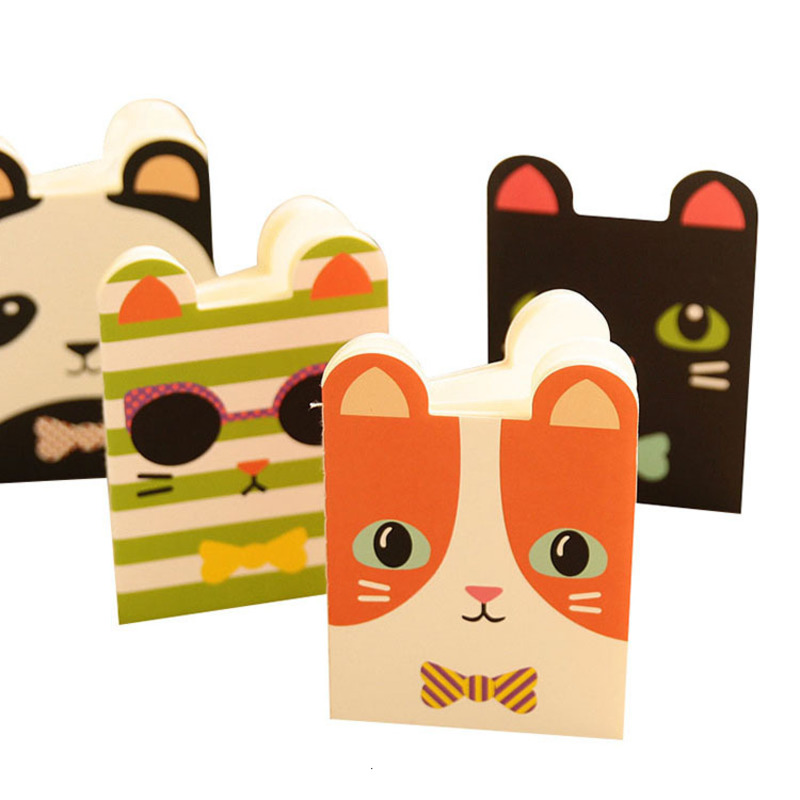
You can explore more in our kawaii stationery and kawaii desk accessories collections.
Creating a calm study corner
A good study space for a tween is tidy, well lit and comfortable. Add a plushie, a small plant, a cute lamp and organised stationery, and the desk becomes somewhere a child actually wants to sit. A soft cushion or a plush chair cover can make long homework sessions more comfortable too.
Do Boys Love Kawaii Plushies Too?
Absolutely. Kawaii is often associated with girls, but cuteness has no gender, and many boys love plushies, anime characters and kawaii design. In Japan, cute characters appear everywhere, from train station mascots to police and city mascots, and people of all genders enjoy them.
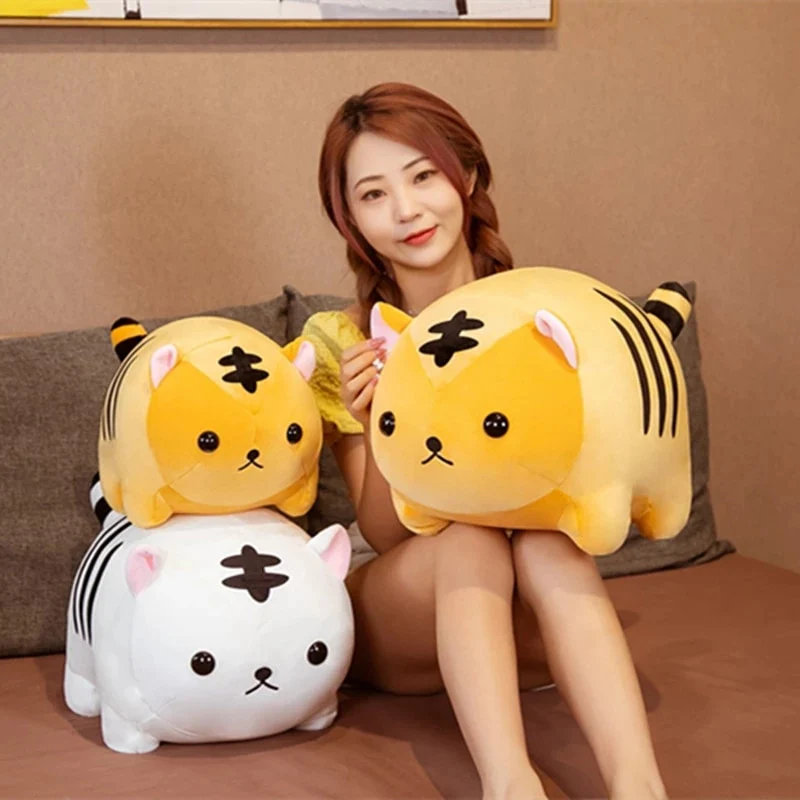
Boys around 12 sometimes feel pressure to hide a love of plushies, especially at school. They may prefer characters from anime and games, “cool cute” animals such as tigers, foxes, sharks and dragons, or funny plushies with a meme-like sense of humour. Gaming setups with plushies on the chair or desk are also popular. Whatever the style, the message for parents is the same: treat it as completely normal and let your child decide how much they want to share with friends.
Is It Normal for a 12-Year-Old to Love Plushies?
Yes. Loving plushies at 12 is normal, common and healthy. Many teenagers and adults also love plushies, whether they collect them, decorate with them or sleep with them. Kawaii culture in particular is enjoyed by people of every age, so a tween who loves kawaii plushies is joining a very wide community.
When plushies are simply joy
For most 12-year-olds, plushies are a source of comfort, fun and self-expression. If your child loves their plushies but also goes to school, spends time with friends and enjoys other hobbies, there is nothing to worry about.
When to look more closely
Sometimes, a child leans heavily on a comfort object because they are going through something difficult, such as stress at school, friendship problems, bullying, a family change or grief. In these cases, the plushie is usually helping, not causing the problem. If your child seems very distressed without their plushie, withdraws from friends and activities, or shows lasting changes in sleep, appetite or mood, it is worth talking with them and, if needed, with your doctor or a school counsellor.
Handling embarrassment and teasing
Some tweens worry about being teased for loving plushies, especially “cute” ones. Reassure your child that kawaii is a popular style worldwide and that many teens and adults share their interests. Help them decide what to share at school, and remind them that a small plush charm is a discreet way to enjoy their style. If teasing becomes bullying, involve the school.
A Parent’s Guide to Supporting a Plush-Loving Tween
Parents do not need to be kawaii experts to support a 12-year-old who loves plushies. A little interest and a lot of respect go a long way.
Show interest in their world
Ask your child about their favourite characters, the stories behind them and what they like about a particular plushie. Watch an episode of their favourite anime with them, or let them give you a tour of their collection. Showing curiosity about the things they love builds trust and keeps communication open as they move into the teenage years.
Respect their style
Your tween’s taste may be very different from yours. Try not to dismiss it as childish or silly. Kawaii is a legitimate aesthetic with a long history and a global community. Supporting your child’s style, even if it is not to your personal taste, tells them that their identity matters.
Help them budget
Kawaii plushies and accessories are tempting, and it is easy for a collection to grow quickly. Agree on a budget, encourage wish lists and talk about how to choose items that will be loved for a long time. This turns collecting into a lesson in money management.
Support creativity
Encourage plush photography, drawing, sewing or storytelling. Offer a corner of the house for photo shoots, a basic sewing kit or a sketchbook. These hobbies turn a love of plushies into skills that can grow with your child.
Never use plushies as punishment
Taking away a comfort object as a consequence can increase anxiety and harm trust. Keep plushies out of discipline altogether.
Let them lead the way
Your child will decide when and how their relationship with plushies changes. Some will keep loving them into adulthood. Others will move them to a shelf or a memory box. Either path is fine, as long as it is their choice.
Real-Life Moments When a Kawaii Plushie Helps
Here are some everyday situations where a plushie can make a 12-year-old’s life a little easier:
- Starting a new school. A plush charm on a new school bag is a small piece of home in an unfamiliar place, and a plushie on the bed is a comforting welcome at the end of a tiring day.
- Making new friends. A character charm can spark a conversation with someone who loves the same series.
- Travelling. A small plushie or plush neck pillow makes long car rides, flights and hotel beds feel more familiar.
- Exam stress. A study buddy plushie on the desk lightens the mood during revision.
- Feeling unwell. A big, soft plushie is a cosy companion on a sick day on the sofa.
- Big changes at home. During a house move or family change, familiar plushies provide a sense of continuity.
- Missing someone. A plushie given by a friend or relative who lives far away can be a comforting reminder of them.

Kawaii in Japan: A Country Where Plushies Are Everywhere
One reason kawaii plushies feel so natural to tweens is that, in Japan, cute characters are part of everyday life for people of all ages. Understanding this helps parents see that a love of plushies is not “childish” in kawaii culture. It is simply part of the culture.
Mascots for everything
Japan is famous for its mascot characters. Cities, prefectures, train lines, shops, sports teams and even public services often have their own cute mascot. Regional mascots are known as yuru-kyara, short for “loose characters”, a name that reflects their relaxed, slightly clumsy charm. One of the most famous is Kumamon, a black bear with rosy cheeks created in 2010 to promote Kumamoto Prefecture, which went on to win a national mascot contest in 2011. Kumamon plushies are popular with people of all ages, from schoolchildren to office workers.
When cute characters represent towns, companies and public services, it sends a clear message: cuteness is not only for kids. It is a friendly, approachable way to communicate with everyone.
Claw machines and capsule toys
Japanese game centres are packed with crane games, often called UFO catchers after the popular machine Sega introduced in 1985. Many of the prizes are plushies, from tiny keychains to huge cushions. Winning a plushie becomes a fun challenge and a memory of a day out with friends. Capsule toy machines, known as gachapon or gashapon, also offer small collectable figures and mini plushies, which feeds the collecting culture we discussed earlier.
Plush charms on school bags
In Japan, it is common to see students with small plush charms, keychains and mascots attached to their school bags and pencil cases. These little accessories are a way to express personality within strict school uniform rules. This custom has spread internationally, and it is one reason plush bag charms have become so popular with tweens elsewhere.
Character cafés and shops
Japanese cities are full of character shops and themed cafés where fans can buy plushies, eat character-themed food and celebrate their favourites. Even for tweens who have never been to Japan, videos of these places help build the sense that kawaii plushies belong to a lively, grown-up culture rather than a toy aisle.
Our post on Japanese clothing styles explores how kawaii fits alongside other Japanese fashion trends, and our history of plush toys covers the rise of crane games and character plushies in more depth.
Kawaii Outfit Ideas That Pair With Plushies
If your tween loves both plushies and fashion, here are a few simple outfit formulas that tie the two together. Each one uses a statement piece, a few basics and a plush accessory.
1. Strawberry milk sweetheart
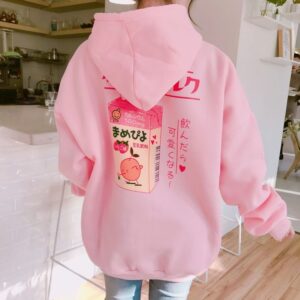
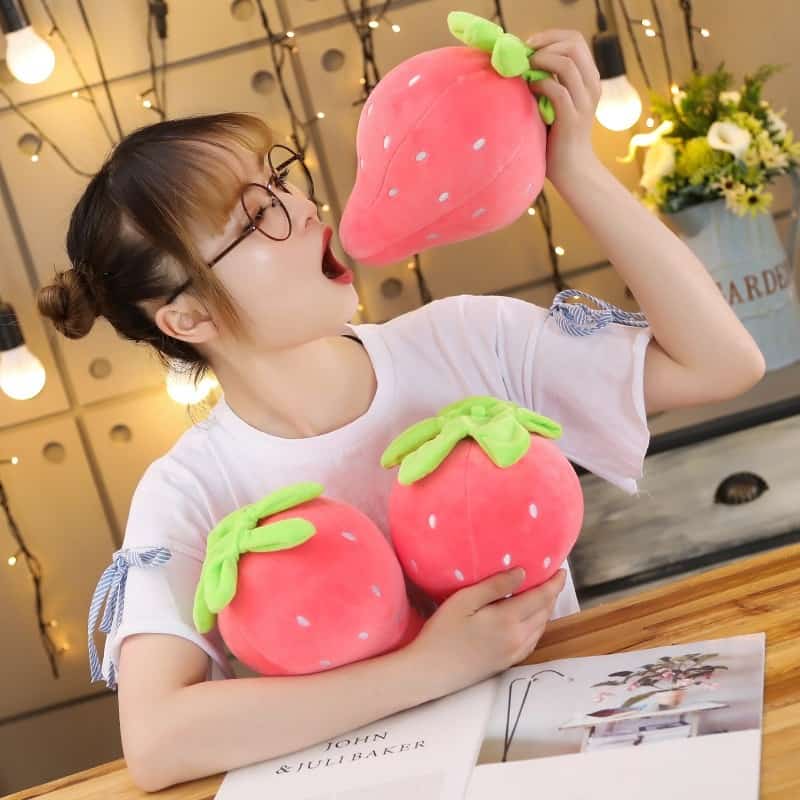
A pink hoodie with a strawberry milk print, light jeans or a pleated skirt, white trainers and a strawberry plush charm on the bag. Add a strawberry plush pillow on the bed for a matching room vibe. This look is sweet, playful and easy to wear to school or a weekend hangout.
2. Cosy cat café
An oversized hoodie with a cute cat print, comfy joggers, fluffy socks and cat-ear headphones. Pair it with a chubby cat plushie for movie nights. It is the perfect lazy-weekend outfit for a tween who loves cats and comfort.
3. Cottagecore frog friend
A sage green cardigan or sweatshirt, a floral skirt or wide-leg trousers, a canvas tote with a frog or mushroom charm and a big frog plushie at home. This look blends kawaii with a gentle, nature-inspired aesthetic that many tweens love.
4. Pastel cloud dreamer
A lavender or baby blue hoodie, white jeans, cloud or star hair clips and a fluffy cloud plush charm. At home, a cloud plushie and soft fairy lights finish the dreamy theme. This look borrows from yume kawaii, the “dreamy cute” style built around pastel colours, clouds, stars and unicorns.
5. Cool-cute gamer
A black or grey oversized hoodie, cargo trousers, chunky trainers and a tiger, fox or shark plush charm. Add glowing cat-ear headphones for gaming sessions and a giant plushie on the gaming chair. This is a great look for tweens who prefer their cute with a bit of edge.
Our guides to fairy kei and pastel goth fashion have more styling ideas for older tweens and teens, and the kawaii clothing size guide helps you choose the right fit when shopping online.
What Tweens Learn From Their Plushies
It is easy to see plushies as simple toys, but they can quietly support important emotional and social growth at 12.
Emotional vocabulary
Many kawaii characters are designed around specific emotions: a sleepy cloud, a grumpy cat spirit, a shy corner-loving creature, a nervous little animal facing big challenges. Talking about these characters can help tweens name and understand their own feelings. A child might say, “I feel like Chiikawa today”, which can open a conversation about worry or overwhelm in a gentle, indirect way.
Empathy and care
Caring for plushies, from arranging them neatly to washing and repairing them, exercises the nurturing side of a tween’s personality. The cute features of kawaii plushies naturally invite gentleness. Some researchers have suggested that the caring feelings triggered by cuteness may encourage more careful, considerate behaviour, which fits the findings of the “Power of Kawaii” study described earlier.
Responsibility and organisation
Managing a collection means keeping track of items, finding space for them, budgeting for new ones and deciding when to let some go. These are small but real lessons in responsibility, planning and decision-making.
Confidence in personal taste
Choosing a plushie, styling a shelf or coordinating a charm with an outfit helps tweens trust their own taste. In a year when peer opinions can feel overwhelming, having a hobby where their choices are respected builds quiet confidence.
Connection with others
Shared interests in characters, animals or kawaii style give tweens a reason to connect with peers, siblings and even parents. A plushie can be the starting point for a friendship, a family movie night or a conversation about something that really matters.

Plushie Etiquette at School
Many tweens want to bring a little kawaii into their school day. A few simple guidelines help them do it without getting into trouble or losing precious items:
- Check the rules. Some schools limit bag charms or large accessories, so find out what is allowed.
- Keep it small. A plush charm or a mini plushie in a pencil case is less likely to be lost or damaged than a full-size plushie.
- Leave the irreplaceable at home. A childhood plushie with deep sentimental value is safest in the bedroom.
- Do not let it distract. Plushies are for break times, not for playing with during lessons.
- Label it. A small name tag on a charm or plushie helps it find its way back if lost.
- Be kind about others’ plushies. Everyone’s style is different, and compliments go a long way.
A Day in the Life of a Plush-Loving 12-Year-Old
To picture how plushies fit into a tween’s routine, imagine a typical school day for a 12-year-old who loves kawaii.
Morning. The alarm goes off, and she rolls over to hug the cloud plushie that sleeps beside her. Shiba slippers go on her feet as she shuffles to breakfast. Before leaving, she clips a little frog charm onto her backpack, matching the green notebook in her bag.
School. At break, a classmate notices the frog charm and mentions that she loves frogs too. They start talking about a cute frog video they both saw, and by lunchtime they are planning to swap stickers. In maths, a cute notebook makes revision notes feel a little less boring.
After school. Home feels like a relief after a long day. She flops onto her bed, hugs her giant plushie and listens to music for twenty minutes before starting homework. A small fox plushie sits on her desk while she works, and she gives it a squeeze when a question gets tricky.
Evening. After dinner, she sets up a mini photo shoot of her food plushies with fairy lights and a pastel blanket, then edits the best shots on her tablet. Later, she watches an episode of her favourite anime, cuddling the character plushie she got for her birthday.
Bedtime. The axolotl night light glows softly as she reads a few pages of a book. The cloud plushie is back in its spot beside her pillow. Tomorrow will bring new challenges, but tonight her room feels calm, cute and completely hers.
This is just one example, of course. Some tweens are far more private about their plushies, and others are even more enthusiastic. But it shows how plushies weave through a tween’s day in small, comforting and creative ways.
From 12 to Adulthood: How a Love of Plushies Evolves
A tween’s relationship with plushies often changes over the following years, but it rarely disappears entirely.
In the early teen years, some young people go through a phase of feeling self-conscious about anything “cute”. They might move plushies to a cupboard, swap a big plush charm for a smaller one or say they have outgrown them. Often, this is less about losing interest and more about wanting to look grown-up in front of peers.
By the mid-to-late teens, many relax again. As they become more confident in who they are, they feel freer to enjoy the things they love. Kawaii fashion, character collecting and plush room decor are very popular among older teens and young adults, many of whom openly share their collections online.
In adulthood, plushies often take on new roles: a reminder of childhood, a comfort item during stressful times, a fun piece of decor, a hobby or a shared interest with a partner or friends. Many adults keep the plushies they loved at 12 for the rest of their lives.
The takeaway for parents is that there is no need to push a child to grow out of plushies. Whatever path they take, the comfort and creativity they find in plushies at 12 can stay with them in healthy ways.
Tween Plushie Trends Explained: The Animals Everyone Wants
If you have ever wondered why your 12-year-old suddenly needs a capybara or an axolotl, here is a guide to the animals that dominate tween plush wish lists, and the real-world facts behind their appeal.
Capybaras
Capybaras are the largest rodents in the world, native to South America, where they live in groups near rivers, lakes and wetlands. Online, they are famous for looking completely unbothered: sitting calmly while birds, monkeys or ducks perch on them, or soaking in warm water. In Japan, Izu Shaboten Zoo began giving its capybaras warm baths in 1982, and videos of capybaras relaxing in hot baths with floating yuzu citrus fruits became a global favourite. For tweens, the capybara represents a mood they would love to have: calm, friendly and unstressed.
Axolotls
Axolotls are a type of salamander from the lake and canal system of Xochimilco near Mexico City. They are unusual because they usually keep their juvenile features, including feathery external gills, throughout their lives, a trait scientists call neoteny. Their wide, smiling faces and pastel colours in captivity make them look naturally kawaii. They are also critically endangered in the wild, which gives some tweens an extra reason to care about them. Axolotls also became familiar to many children through their appearance in popular video games.
Frogs
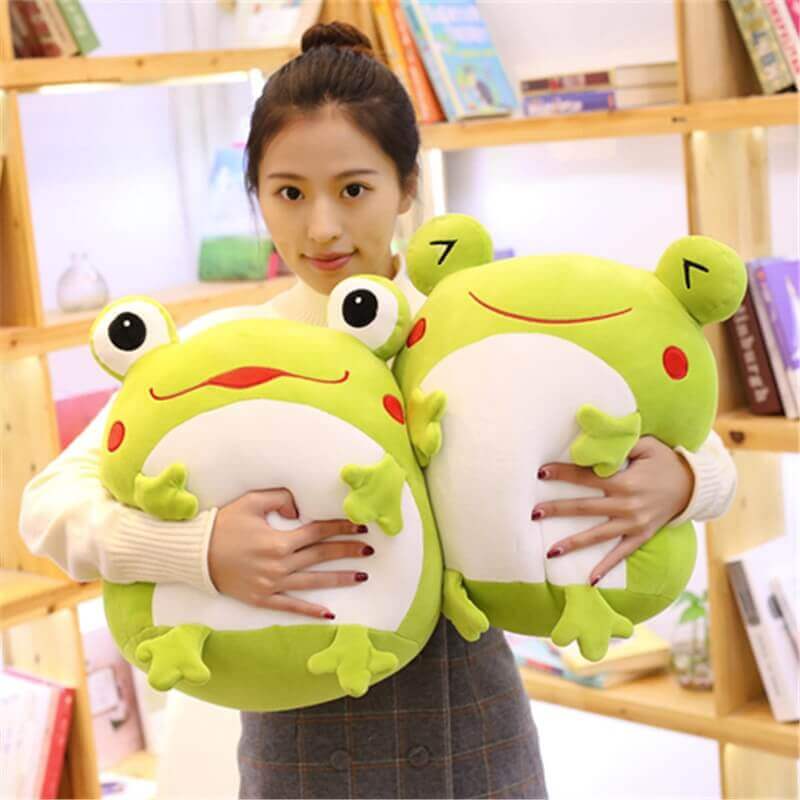
Frogs have been a big part of online culture for years, from cottagecore illustrations of frogs in mushroom hats to countless frog memes. A frog plushie is cheerful, a little silly and fits well with nature-inspired room styles. Many tweens also simply find a wide frog smile impossible to resist.
Hamsters
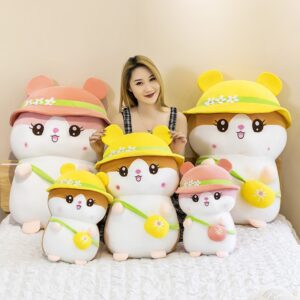
Hamsters are popular small pets in many countries, and their round bodies, puffed cheeks and tiny paws are already perfectly kawaii. Hamster plushies, often dressed in hats or carrying little bags, are especially popular with tweens who love pets but may not be able to have one.
Chubby cats and dogs
Round, chunky cats and dogs, such as shiba inus, corgis and chow chows, have huge fan followings online. Their exaggerated roundness taps directly into the baby schema, making them look irresistibly squishy. For many tweens, a chubby pet plushie is a comforting, cuddly stand-in for a real pet.
Food plushies
Food plushies, from bao buns and sushi to milk cartons and strawberries, combine two things tweens love: snacks and cuteness. They are funny, colourful and great for themed displays. Food is also a big part of kawaii culture in Japan, where bento lunches, character sweets and themed cafés turn meals into something adorable.
Trends move fast, so the best way to know what is hot right now is to ask your tween. You can also browse our capybara plush, sea animal plush and kawaii stuffed animals collections to see the current favourites.
Host a Plushie Swap Party: A Fun Idea for Tween Birthdays
Looking for a birthday party or sleepover idea that tweens will actually enjoy? A plushie swap party combines fashion, friendship and kawaii fun, and it is a great way to refresh collections without spending much.
How it works
- Invite guests to bring plushies to swap. Ask each guest to bring two or three clean plushies or plush charms they are happy to trade.
- Set up a display. Arrange the swap plushies on a table or blanket, like a little shop. Tweens love seeing everything laid out.
- Give everyone tokens. Each guest gets one token for every plushie they brought. They use tokens to choose new plushies in turns.
- Add a photo corner. A pastel backdrop, fairy lights and a few props turn a corner into a plush photo studio.
- Include a craft station. Offer ribbons, felt, safety pins and simple materials for decorating plush charms or making tiny accessories.
- Donate the leftovers. Any plushies that are not chosen can be donated to a local charity, which adds a kind ending to the party.
Kawaii party touches
- Pastel decorations, balloons and paper lanterns.
- Character-themed snacks, such as animal-shaped sandwiches or cute cupcakes.
- A playlist of upbeat J-pop or anime soundtracks.
- Small plush charms or kawaii stickers as party favours.
A swap party teaches sharing, fairness and decision-making, and it lets tweens celebrate their love of plushies together in a relaxed, joyful way.
Enjoying Kawaii Without Overbuying
Kawaii goods are irresistible, and it can be easy for a tween’s collection to grow faster than their shelf space or their savings. Here are some ways to enjoy kawaii culture thoughtfully:
- Keep a wish list. Writing down plushies they want, and waiting a week before buying, helps tweens separate lasting love from passing impulses.
- Save for one special piece. One high-quality plushie they adore often brings more joy than several quick buys.
- Rotate the display. Swapping which plushies are on show keeps the room feeling fresh without buying more.
- Swap with friends. Trading duplicates or unloved plushies refreshes a collection for free.
- Make it yourself. Sewing simple plushies or decorating plain items with felt and embroidery can be as rewarding as buying.
- Set a “one in, one out” rule. When a new plushie arrives, an older one can be donated or passed to a younger relative.
These habits help tweens build a collection that reflects who they are, rather than a pile of things they barely notice.
Starting a Conversation About Your Tween’s Kawaii Collection
If you would like to connect with your 12-year-old through their love of plushies, try a few relaxed, open questions:
- “Which character is your favourite right now, and what do you like about them?”
- “If you could visit any kawaii shop or café in the world, where would you go?”
- “Which plushie would you save first if your room was flooding?”
- “What would your dream kawaii room look like?”
- “Is there a show or game you’d like us to watch or play together?”
- “Do you want help setting up a photo corner for your plushies?”
These questions show that you are curious rather than critical. Over time, they can lead to deeper conversations about friendships, school and feelings, because a tween who feels understood in small things is more likely to open up about big ones.
A Cosy Kawaii Bedtime Routine for Tweens
Good sleep makes everything easier at 12: mood, focus, friendships and schoolwork. Yet many tweens struggle to wind down, especially with homework, group chats and videos competing for their attention. A cute, cosy bedtime routine built around plushies can help make sleep something to look forward to.
- Set a screens-down time. Agree on a time, ideally at least half an hour before lights out, when phones and tablets go on charge outside the bed.
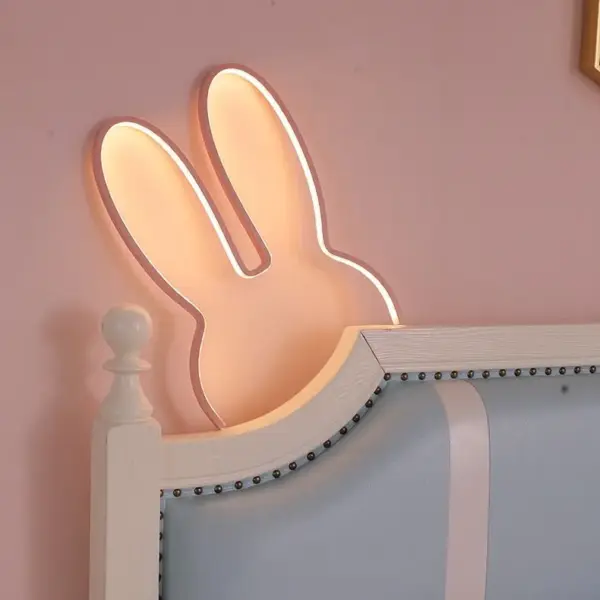
- Switch to soft light. Turn off the main light and switch on a warm, dim night light or fairy lights. A silicone animal lamp or a glowing plush adds a gentle, cute glow.
- Get comfy. Change into soft pyjamas and slippers, and tidy the bed so it feels inviting.
- Choose a calm activity. Reading, journaling, drawing or listening to quiet music all work well.
- Cuddle in. Settle down with a favourite plushie. Some tweens like to take a few slow breaths while hugging it, which helps the body relax.
- Lights out at a regular time. Keeping a consistent bedtime, even at weekends where possible, helps the body clock stay on track.
A routine like this does not need to be strict to work. The goal is to create a predictable, soothing wind-down that signals to the body and mind that it is time to rest. Plushies, with their soft textures and friendly faces, make the routine feel comforting rather than like a chore.
Siblings and Plushies: When Younger Brothers and Sisters Want In
Many 12-year-olds have younger siblings who adore their big brother’s or sister’s plushies. This can be sweet, but it can also cause friction, especially when a tween’s collection includes items that are precious, fragile or not suitable for small children.
Setting boundaries kindly
It is reasonable for a tween to want some of their plushies to be off-limits. Help them choose which plushies are “share” plushies and which are “special” plushies that stay on a high shelf or in their room. Respecting these boundaries shows your older child that their belongings matter.
Safety for little ones
Some tween plushies and charms have small parts such as beads, clips, buttons or detachable accessories that are not safe for babies and toddlers. Keep these out of reach of very young children, and remember that soft toys should not go into a baby’s sleep space during the first year.
Passing plushies down
Many tweens enjoy giving a few of their outgrown plushies to a younger sibling or cousin. This can be a lovely ritual, a way of passing on comfort and memories. Let your tween choose which plushies to give and, if they like, write a little note about each plushie’s name and story.
Shared fun
Plushies can also bring siblings together. A tween might help a younger sibling set up a plushie tea party, take plushie photos together or put on a puppet show. These moments let an older child enjoy plushies in a playful way while being the “cool older sibling”, which many 12-year-olds secretly love.
What Makes a Good-Quality Kawaii Plushie?
Not all plushies are made equal. Because tweens often hug, carry, wash and display their plushies for years, it is worth knowing what to look for.
- Neat, tight stitching. Check seams, especially around ears, arms and tails, for loose threads or gaps where stuffing could escape.
- Even stuffing. A good plushie feels evenly filled, without lumps or empty corners. Squishy mochi-style plushies should bounce back after a squeeze.
- Soft, consistent fabric. The fabric should feel pleasant all over, with no scratchy patches. Fluffy fabrics should not shed excessively.
- Secure faces. Embroidered eyes and mouths are durable and safer for households with small children. Plastic eyes should be firmly attached.
- Clear labels. Look for care instructions, materials and safety information on the label.
- Colours that suit the room. For tweens building a themed space, it helps if a plushie’s colours match their bedding, decor or other plushies.
A well-made plushie will stay soft and cute through countless hugs, washes and room makeovers, which matters when it might become a lifelong companion.
The Research Behind This Guide
Here is a short summary of the research and sources referred to in this article, for parents who like to know where the ideas come from:
| Source | Year | What it tells us |
|---|---|---|
| Konrad Lorenz, baby schema | 1943 | Round faces, big eyes and small features trigger caring, affectionate feelings |
| Sharon Kinsella, “Cuties in Japan” | 1995 | Kawaii grew into a youth culture in 1970s Japan, starting with rounded, cute handwriting |
| Kenneth Tai and colleagues | 2011 | Touching a teddy bear after feeling excluded was linked to more helpful behaviour in adults |
| Hiroshi Nittono and colleagues, “The Power of Kawaii” | 2012 | Viewing cute baby animal images was followed by more careful performance and narrower focus |
| American Academy of Sleep Medicine | 2016 | Children aged 6 to 12 need 9 to 12 hours of sleep per night |
As with any research, these findings come with limits. Many studies were done with adults in laboratory settings, and none of them prove that plushies alone can change a child’s wellbeing. But together they support what many families see every day: cute, soft things are comforting, and they can bring a little more calm and care into a busy life.
How to Choose a Kawaii Plushie for a 12-Year-Old
Choosing a plushie for a tween is all about matching their aesthetic, interests and lifestyle. Here is a practical guide.
Choose by aesthetic
| Tween aesthetic | What they love | Plushie ideas |
|---|---|---|
| Soft pastel | Pink, cream, lavender, clouds, bunnies, bows | Kawaii Cloud Plush, Cute Bunny Holding Boba Plush |
| Cottagecore | Nature, mushrooms, frogs, sheep, gentle countryside vibes | Big Frog Plush, Kawaii Sheep Plush |
| Anime fan | Characters from favourite series and Japanese culture | Giant Totoro Plush, Nyanko Sensei Plush |
| Foodie cute | Snacks, drinks, bubble tea, desserts and cafés | Kawaii Bao Plush, Kawaii Milk Plushie, Cute Strawberry Plush Pillow |
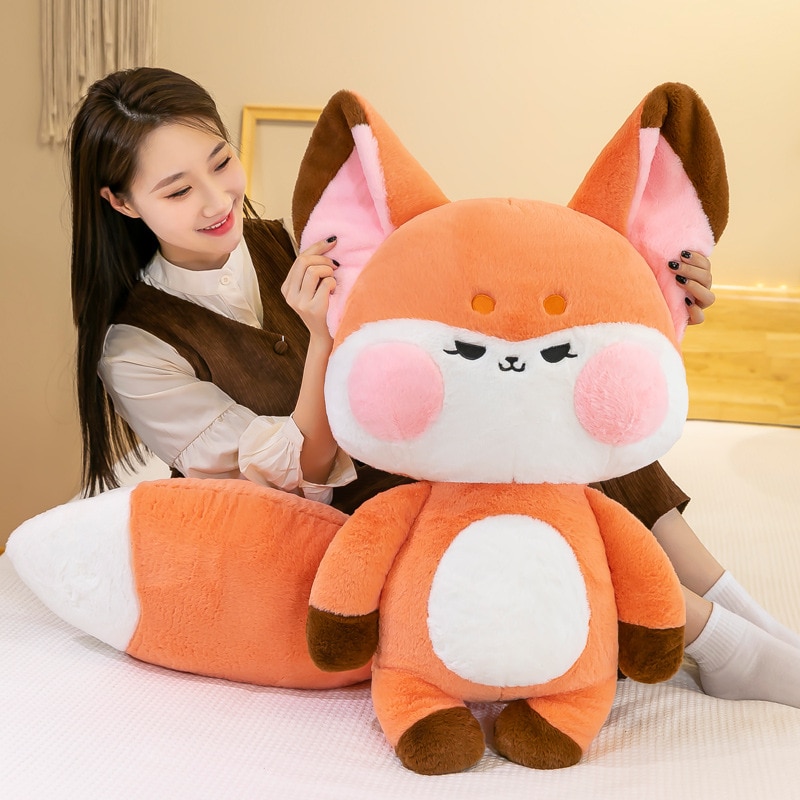
| Cool cute | Tigers, foxes, sharks and characters with attitude | Kawaii Tiger Plush, Kawaii Fox Plush |
| Gamer | Gaming setups, headsets, plushies on the chair | Cat Ears Glowing Headphones, a giant plushie as a gaming cushion |
| Animal lover | Realistic or semi-realistic pets and animals | Coco Chow Chow Plush, Kawaii Hamster Plush |
Choose by size
- Mini and charm plushies are ideal for bags, collections and small budgets.
- Medium plushies (roughly pillow-sized) suit beds, desks and everyday cuddles.
- Giant plushies are statement pieces that double as cushions for reading, gaming and movie nights. Our giant stuffed animals guide helps you pick the right size.
Choose by texture
Kawaii plushies come in many textures: super-stretchy, smooth “mochi” fabric; short, velvety plush; long, fluffy fur; and soft, cotton-like finishes. Some tweens are very particular about texture, especially those with sensory preferences. If your child loves squishy, satisfying textures, browse our sensory plushies.
Choose by use
- For bedtime: a soft, medium plushie or a long body pillow, plus a gentle night light.
- For the desk: a small study buddy and matching stationery.
- For the bag: a plush charm or keychain.
- For the room: a giant statement plushie or a themed set for a shelf.
- For travel: a compact plushie or a plush neck pillow from our travel plushies.
Caring for Kawaii Plushies
Plushies that are loved every day need a little care to stay soft and fresh. Twelve-year-olds can usually handle this themselves, which is a nice way to build responsibility.
- Check the label. Care instructions vary, and some plushies should only be spot cleaned.
- Spot clean first. Use a damp cloth with a little mild soap for small marks.
- Wash gently when allowed. Use a cool, gentle cycle inside a pillowcase or mesh laundry bag.
- Air dry. Let plushies dry fully at room temperature, reshaping them as they dry.
- Fluff and brush. A soft brush restores fluffy fabrics once dry.
- Dust displays regularly. Shelf plushies collect dust, so give them a gentle shake or a light brush every few weeks.
For larger plushies, our guide on how to clean giant stuffed animals has detailed instructions.
Safety reminders
- Look for recognised toy safety marks, such as compliance with ASTM F963 in the United States or EN 71 and the CE or UKCA mark in Europe and Great Britain.
- Keep plushies with small parts, such as beads, buttons or detachable accessories, away from babies and toddlers in the household.
- Remember that soft toys should not be placed in a baby’s sleep space during the first year.
- For light-up plushies and lamps, use the supplied cable and avoid charging them under pillows or blankets.
- Weighted plushies are for older children and adults and should never be placed over the face.
Kawaii Gift Ideas for 12-Year-Olds
Plushies and kawaii accessories make wonderful gifts for birthdays, holidays and special occasions. Here are some ideas from our shop. Prices are correct at the time of writing and may change.
Little treats
- Mini Kawaii Animals Notebook ($13.99): cute animal notebooks for the desk or school bag.
- Japanese Animation Giant Totoro Plush ($16.99): a cosy forest spirit for anime fans.
- Cloud Night Light ($12.99): a smiling cloud lamp for a soft bedside glow.
- Kawaii Cosplay Panda Plush ($22.99): a panda dressed up in a cute animal hood.
Popular picks
- Kawaii Fox Plush ($26.99): a fluffy fox with rosy cheeks.
- 8 Inches Kawaii Bao Plush ($23.99): a cheeky bao bun for foodie collectors.
- Natsume Yuujinchou Nyanko Sensei Plush ($25.99): for fans of the series.
- Axolotl Night Light ($26.99): a squeezable glowing axolotl.
- Indoor Kawaii Shiba Inu Slippers ($30.99): cosy shiba slippers for chilly mornings.
- Big Frog Plush ($36.99): a cheerful frog for cottagecore rooms.
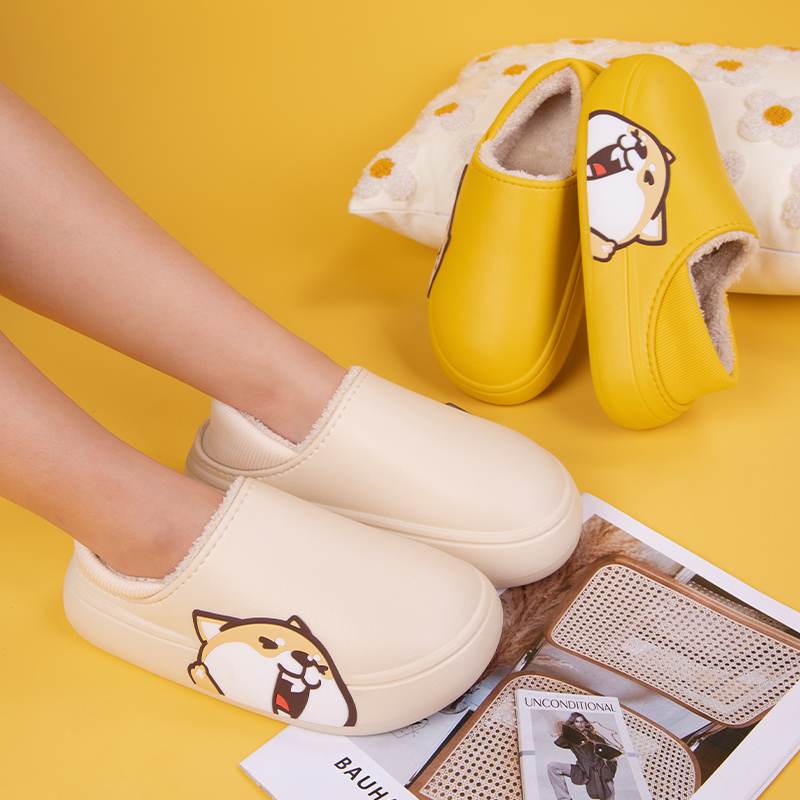
Special-occasion gifts
- Kawaii Hamster Plush ($49.99): hamsters in sunhats with tiny bags.
- Kawaii Cat Ears and Paw Glowing Headphones ($41.99): music and gaming with a kawaii twist.
- Mochi Mochi Peach Cat Hoodie ($42.99): a cosy hoodie with cuddling cats.
- Cat Neon Sign ($64.99): a glowing statement piece for a kawaii room.
- Kawaii Milk Plushie ($40.99): milk carton pillows in fun flavours.
If you are shopping for a particular date, please plan ahead. Orders are typically processed within 2 to 5 business days, and delivery usually takes 10 to 30 days in transit depending on the destination. For more ideas, see our gift guide, our kawaii Christmas gift ideas and our kawaii gifts collection.
A Mini Glossary of Kawaii and Plushie Words
Tweens who love kawaii culture often use Japanese words and fan terms. Here is a quick guide to help parents keep up.
| Term | Meaning |
|---|---|
| Kawaii | Japanese for “cute”; also a whole aesthetic of round shapes, simple faces and pastel colours |
| Yume kawaii | “Dreamy cute”: pastel colours, clouds, stars, unicorns and fairytale themes |
| Kimo kawaii | “Creepy cute”: characters that are a little strange or spooky but still adorable |
| Busu kawaii | “Ugly cute”: characters that are lovable precisely because they look funny or grumpy |
| Oshi | Your favourite character or member of a group, the one you support most |
| Oshikatsu | Activities that support your oshi, such as collecting merchandise or making fan art |
| Ita bag | A bag decorated with lots of pins, badges and plush charms of a favourite character |
| Yuru-kyara | Relaxed, friendly mascot characters that represent places, companies or events in Japan |
| Gachapon | Capsule toy machines that dispense small collectable figures and charms |
| UFO catcher | A Japanese name for crane or claw machines, often filled with plushies |
| Mochi fabric | Super-soft, stretchy plush fabric named after the chewy rice cake |
| Decora | A Harajuku style built on layers of colourful accessories, clips and toys |
| Fairy kei | A pastel Harajuku style inspired by 1980s cartoons and toys |
| Plush charm | A small plushie with a clip or chain, worn on a bag or used as a keychain |
Knowing a few of these words shows your tween that you are interested in their world, and it can make gift shopping much easier. Our kawaii fashion guide explains many of these styles in more detail.
Plushies for Tweens With Sensory or Emotional Needs
For some 12-year-olds, including many who are autistic, have ADHD or experience anxiety, plushies can play an especially important role. A plushie with a predictable texture, a satisfying squish or a calming weight can help with self-regulation. Familiar plushies can also bring a sense of routine into new or noisy environments.
Every child is different, so it helps to notice what your tween is drawn to. Some love the smooth stretch of mochi fabric, others prefer long fluffy fur, and some prefer the firm, grounding feel of a weighted plushie. If your child has significant sensory or emotional needs, an occupational therapist or doctor can give tailored advice. You can explore textures in our sensory plushies collection.
Why Kawaii Plushies Are a Healthy Hobby
It is worth stepping back and looking at the bigger picture. Compared with many hobbies and habits, loving kawaii plushies has a lot going for it:
- It is calming. Soft textures and cute faces encourage relaxation.
- It is creative. Styling, photography, drawing and crafting all grow from a love of plushies.
- It is social. Shared characters and matching plushies help tweens connect with friends.
- It is flexible. A collection can be as big or as small as space and budget allow.
- It is screen-light. While plush culture exists online, enjoying plushies themselves is a physical, offline pleasure.
- It grows with them. Kawaii style and plush collecting are enjoyed by teens and adults too, so this is a hobby that can last.
That does not mean plushies replace friendships, sleep, exercise or talking about feelings. But as one part of a balanced life, they bring a lot of comfort and joy.
Frequently Asked Questions
Why do 12 year olds love plushies?
Twelve-year-olds love plushies because they combine comfort with style. Plushies help tweens relax during a year of big changes, and they also fit into the kawaii aesthetic, fan culture, fashion trends and room decor that many tweens enjoy. Choosing, displaying and wearing plushies is a fun way for 12-year-olds to express who they are.
Is it normal for a 12-year-old to still like stuffed animals?
Yes, it is completely normal. Many teenagers and adults love plushies too. For most children, plushies are a healthy source of comfort, creativity and fun.
What does kawaii mean?
Kawaii is the Japanese word for cute. It also describes a broader aesthetic of round shapes, simple faces, pastel colours and playful themes that appears in Japanese fashion, design, stationery, characters and plush toys.
Why are kawaii plushies so popular with tweens?
Kawaii plushies are cute without being babyish. They connect to anime, games and online trends, work as fashion accessories and room decor, and offer comfort. That mix of style and softness suits the in-between age of 12 perfectly.
What are the most popular plushies for 12-year-olds?
Popular choices include capybaras, axolotls, frogs, hamsters, chubby cats, food plushies such as bao buns and milk cartons, and characters such as Totoro, Nyanko Sensei, Sumikko Gurashi and Chiikawa. Trends change quickly, so it is worth asking your tween what they are into right now.
Are plush bag charms a good gift for a 12-year-old?
Yes. Plush charms and keychains are affordable, trendy and easy to personalise. They are a great choice for tweens who want to show their style at school without carrying a full-size plushie.
Do boys like kawaii plushies?
Many boys love kawaii plushies, especially anime characters, game characters and “cool cute” animals like tigers, foxes and sharks. Cuteness is for everyone, and parents can help by treating a love of plushies as normal.
How can I make my tween’s room more kawaii?
Start with a pastel colour palette, add a curated plushie display, soft lighting such as fairy lights or a neon sign, cute desk accessories and cosy textures like fluffy rugs and cushions. Our kawaii room guide has step-by-step ideas.
How many plushies is too many?
There is no right number. A good rule is that a collection should bring joy and fit the space without causing stress or clutter. If the room is overflowing, help your tween choose favourites to display, store some and donate those they no longer love.
Can plushies help a tween with stress?
Many tweens find that cuddling a soft plushie helps them relax, and research on touch and cuteness supports the idea that soft, cute things can lift mood. A plushie is a comfort tool rather than a treatment, so if your child has ongoing anxiety, speak to a doctor or mental health professional.
Why do tweens put plushies on their bags?
Plush bag charms let tweens show their personality and favourite characters at school and on the go. They are small, affordable and easy to swap, and the trend has grown from Japanese school culture, where students often decorate bags and pencil cases with mascots and charms.
What size plushie is best for a 12-year-old’s bed?
A medium plushie, roughly pillow-sized, is a comfortable everyday cuddle. Tweens who like to hug something at night often prefer a long body pillow, while a giant plushie works best as a cushion beside the bed or in a reading corner.
Are anime plushies appropriate for 12-year-olds?
Plushies themselves are simply soft toys, but the shows they come from have different age ratings. If your tween wants a character plushie, it is worth checking the rating of the series and watching an episode together. Gentle classics such as My Neighbor Totoro are suitable for all ages.
Should I worry if my tween prefers plushies to friends?
Enjoying plushies alongside friendships is completely normal. If your child seems to be withdrawing from friends and activities they used to enjoy, the plushie is probably not the cause, but it may be worth gently asking how things are going and talking to their school or doctor if you are concerned.
What is a good first kawaii plushie?
A medium, soft plushie of an animal your tween already loves is a great start, such as a frog, cloud, hamster, fox or cat. Kawaii plushies with simple faces and pastel colours fit easily into any room and can be the first piece of a bigger collection.
Final Thoughts: Soft, Stylish and Completely Normal
When a 12-year-old falls in love with plushies, they are not stuck in childhood. They are building a world that feels like their own: soft, colourful, funny and full of characters they care about. Plushies give tweens comfort during a busy year, a way to express their personal style, a link to the stories and characters they love and an easy way to connect with friends.
Kawaii culture shows that cuteness is not only for little kids. It is a style enjoyed by teenagers, adults and whole communities around the world. Supporting your tween’s love of plushies, by showing interest, respecting their taste and helping them collect and create thoughtfully, tells them that the things that make them happy matter.
Ready to find a new plush friend? Explore our kawaii stuffed animals, collectible plushies and cute lamps, or visit the Kawaii Merchandise homepage for plushies, fashion and room decor. For more reading, see our guide to kawaii products and our kawaii stuffed animals guide.